Luxury Glass Suites in London: A Guide for Modern Travelers
Luxury glass suites in London combine contemporary architecture, expansive windows, elegant interiors, and city views with the comfort expected from premium accommodation.
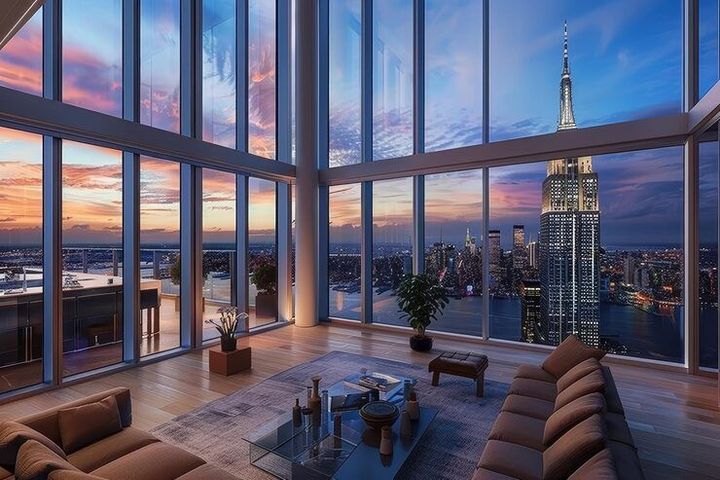
Luxury glass suites in London are high-end accommodation spaces designed around large windows, glass walls, skylights, or panoramic architectural features. Their defining characteristic is the use of glass to connect the interior with London's urban surroundings.
These suites can be found in modern hotels, renovated historic buildings, and contemporary hospitality developments. Depending on the property, a glass-focused suite may provide views of landmarks, rooftops, parks, the River Thames, or the London skyline.
The concept reflects a broader movement toward experience-led hospitality. Instead of focusing only on the size of a room, contemporary luxury accommodation often emphasizes architecture, natural light, privacy, interior design, and the surrounding environment.
When comparing luxury hotel suites in London, travelers can consider location, window design, privacy, accessibility, room layout, views, and the property's overall accommodation standards.
Why Glass Suites Matter Today
Luxury glass suites appeal to travelers who value architecture and visual experiences alongside traditional hospitality. Large glazed areas can make an interior feel brighter and more connected to the city.
They can be particularly relevant for:
Travelers interested in luxury accommodation in London
Visitors seeking panoramic city views
Architecture and interior-design enthusiasts
Couples planning special trips
Business travelers wanting a distinctive urban setting
Visitors interested in premium hotel experiences
Glass architecture also creates practical design challenges. Privacy, temperature control, glare, acoustics, accessibility, and energy efficiency all need careful consideration.
For travelers, these factors are useful when evaluating whether a glass suite is genuinely comfortable rather than simply visually impressive.
Recent Trends in London's Luxury Accommodation
London's luxury hotel landscape continued evolving during 2026. New properties and renovated buildings have expanded the range of high-end accommodation available across the capital. Visit London highlighted several notable 2026 openings, including The Newman London, Six Senses London, and Waldorf Astoria London Admiralty Arch.
The broader luxury accommodation market also includes historic properties and boutique hotels across areas such as Mayfair and The Strand.
This development reflects an increasing emphasis on design, wellness, distinctive architecture, and location. For glass suites specifically, these trends can encourage more attention to natural light, skyline views, contemporary interiors, and visually memorable spaces.
| Feature | What Travelers Can Examine |
|---|---|
| Glass design | Floor-to-ceiling windows, skylights, or panoramic glazing |
| Views | Skyline, landmark, river, or city views |
| Privacy | Curtains, positioning, screening, and surrounding buildings |
| Comfort | Climate control, ventilation, and acoustic performance |
| Design | Furniture, lighting, materials, and interior layout |
| Accessibility | Lift access, room configuration, and accessible facilities |
Laws and Policies Affecting London Accommodation
Luxury glass suites are part of buildings that must comply with applicable planning, building, accessibility, and fire-safety requirements. In England, the Building Regulations 2010 cover construction and extension work, while planning permission and building regulations approval are separate considerations.
Fire safety is particularly important for buildings containing sleeping accommodation. The government's Approved Document B provides statutory guidance concerning fire safety in England, and its guidance was updated on 16 September 2026.
London planning policy also places strong emphasis on fire safety, including suitable escape arrangements, fire protection measures, firefighting access, and appropriate evacuation strategies.
For major developments, fire safety considerations may need to be addressed during the planning process rather than being treated as a later design issue.
These requirements can influence how large glazed areas, entrances, escape routes, ventilation systems, and other architectural elements are incorporated into accommodation buildings.
Tools and Resources for Planning a Stay
Travelers researching luxury glass suites can use general digital resources to compare accommodation characteristics without relying solely on promotional descriptions.
Useful resources include:
Hotel comparison worksheets
Interactive London maps
Public transport journey planners
Weather and daylight forecasting tools
Room-view checklists
Accessibility information guides
Currency conversion calculators
Digital travel itineraries
Photography and architecture guides
Hotel review comparison tools
A simple checklist can help compare window design, views, privacy, room orientation, transportation access, and facilities across different properties.
Frequently Asked Questions
What makes a suite a glass suite?
A glass suite generally uses substantial glazing as an architectural feature. This may include floor-to-ceiling windows, glass walls, skylights, or other large glazed elements.
Do glass suites always have panoramic views?
No. A large window does not automatically guarantee a panoramic view. The actual outlook depends on the building's position, floor level, surrounding structures, and window orientation.
Are glass suites private?
Privacy varies. Curtains, tinted glazing, screening, room positioning, and the distance from neighboring buildings can all affect privacy.
Are glass suites suitable throughout the year?
They can be, provided the building has appropriate climate control, ventilation, shading, and insulation. Large glazed areas can create different temperature and glare considerations compared with conventional rooms.
Which London areas have luxury accommodation?
Luxury accommodation is available across several central London areas, including Mayfair, Westminster, The Strand, Fitzrovia, Bayswater, and other well-connected districts. The best location depends on the traveler's interests and itinerary.
Conclusion
Luxury glass suites in London represent the combination of contemporary architecture, premium accommodation, and the visual character of a major global city. Their appeal comes from natural light, distinctive interiors, and the possibility of memorable urban views.
However, design should be considered alongside practical factors such as privacy, temperature control, accessibility, acoustics, and safety. London's evolving hospitality landscape continues to introduce new design approaches, making architectural features an increasingly important part of the accommodation experience.
Disclaimer: This article provides general educational information about luxury accommodation and London building considerations. Accommodation features, regulations, availability, and property details can change. Readers should verify current information directly with the relevant accommodation provider and official authorities.