Understanding Industrial Dryers And Their Applications Guide With Manufacturing Insights
Industrial dryers play a critical role in modern manufacturing and processing operations. These machines are designed to remove moisture from materials, products, and substances during various stages of production. By controlling moisture levels, industrial dryers help improve product quality, support efficient processing, and enhance storage stability. From food production and chemical processing to pharmaceuticals and construction materials, industrial dryers are widely used across numerous industries.
As manufacturing technologies continue to evolve, businesses are placing greater emphasis on efficiency, consistency, and product quality. According to global manufacturing research, moisture control remains one of the most important factors in many industrial processes. Excess moisture can affect product performance, reduce shelf life, increase transportation costs, and create operational challenges. Industrial dryers help address these concerns by providing controlled drying environments tailored to specific production requirements.
Understanding how industrial dryers work and where they are applied can help manufacturers, engineers, and business decision-makers evaluate their importance within modern production systems. Their ability to improve efficiency and product consistency makes them essential equipment in many industrial sectors.
What Are Industrial Dryers?
Industrial dryers are specialized machines designed to remove water, solvents, or other forms of moisture from materials through controlled heating, airflow, or other drying methods. The primary goal is to achieve a desired moisture content while maintaining product quality and process efficiency.
Unlike household drying equipment, industrial dryers are engineered to handle large production volumes and operate continuously under demanding conditions. They are available in various designs and capacities depending on the materials being processed.
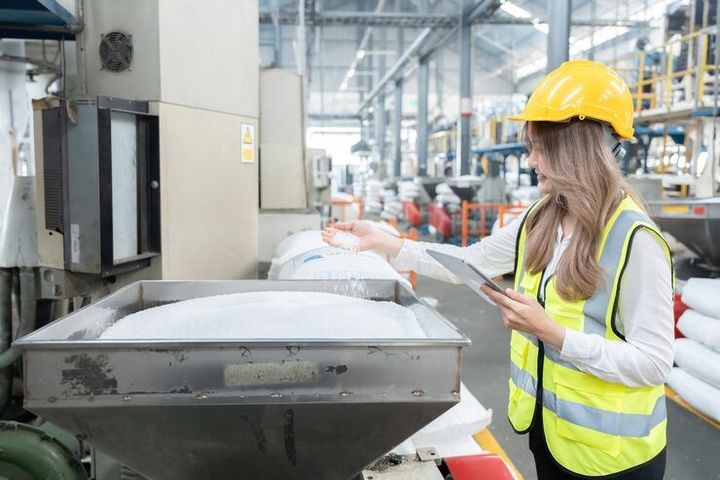
Industrial dryers can be used for powders, granules, liquids, solids, textiles, chemicals, food products, and many other materials. Their versatility makes them valuable tools in manufacturing environments where moisture management is essential.
Why Moisture Control Matters In Manufacturing
Moisture levels can significantly affect product quality and production efficiency. Excess moisture may lead to material degradation, inconsistent product performance, microbial growth, or reduced storage stability.
In manufacturing environments, controlling moisture helps ensure that products meet required specifications. Proper drying can improve product appearance, handling characteristics, durability, and processing performance.
Moisture reduction also supports transportation and storage efficiency. Materials with lower moisture content often weigh less and may be easier to package, transport, and store safely.
Because moisture influences so many aspects of production, industrial dryers have become an important component of quality control systems across multiple industries.
How Industrial Dryers Work
Industrial dryers operate by transferring heat to a material while facilitating moisture removal. The exact method varies depending on dryer design and application requirements.
Many systems use heated air to evaporate moisture from the product surface. Airflow then carries the moisture away from the drying chamber, allowing the process to continue efficiently.
Some industrial dryers use indirect heating methods where heat is transferred through surfaces rather than direct air contact. Other systems may use vacuum technology to lower boiling points and enable drying at lower temperatures.
Modern industrial dryers often incorporate automated controls that monitor temperature, airflow, humidity, and processing time to achieve consistent drying results.
Common Types Of Industrial Dryers
Rotary Dryers
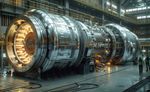
Rotary dryers use a rotating drum to move materials through a heated environment. They are commonly used for bulk materials and high-volume processing applications.
Fluidized Bed Dryers
Fluidized bed dryers suspend particles in a stream of heated air, creating efficient heat transfer and uniform drying conditions. These systems are often used in food, chemical, and pharmaceutical production.
Spray Dryers
Spray dryers convert liquid materials into dry powders by atomizing liquids into a heated chamber. They are widely used in food ingredients, chemicals, and specialty manufacturing applications.
Vacuum Dryers
Vacuum dryers operate under reduced pressure, allowing moisture removal at lower temperatures. These systems are useful for heat-sensitive materials that require careful processing.
Tray Dryers
Tray dryers use shelves or trays to hold products while heated air circulates throughout the chamber. They are commonly used for batch processing operations.
Industrial Dryer Applications
The food industry relies heavily on industrial dryers for processing ingredients, preserving products, and extending shelf life. Drying helps maintain product stability while reducing moisture-related spoilage risks.
Pharmaceutical manufacturers use industrial dryers to process active ingredients and finished products. Precise moisture control is often essential for maintaining product quality and consistency.
Chemical processing facilities utilize dryers for powders, granules, and specialty materials. Moisture reduction supports product performance and storage requirements.
Agricultural operations use industrial dryers for grains, seeds, and harvested materials. Proper drying helps protect products during storage and transportation.
Construction material manufacturers may use industrial dryers for minerals, aggregates, and other raw materials that require moisture management before further processing.
Benefits Of Industrial Dryers
One major benefit is improved product consistency. Controlled drying conditions help manufacturers achieve reliable moisture levels and quality standards.
Industrial dryers also contribute to production efficiency. Faster and more controlled drying processes can reduce processing times and support higher production volumes.
Product stability is another advantage. Proper moisture control may improve storage performance and reduce the risk of product deterioration during distribution.
Many industrial dryers support automation and process monitoring, helping manufacturers maintain operational consistency while reducing manual intervention.
Additionally, efficient drying systems can contribute to better resource utilization and optimized manufacturing workflows.
Factors To Consider When Selecting An Industrial Dryer
Material characteristics are among the most important considerations. Different products require different drying methods depending on moisture content, particle size, temperature sensitivity, and processing objectives.
Production capacity should also be evaluated carefully. Manufacturers must ensure that dryer capacity aligns with current and future operational requirements.
Energy efficiency is becoming increasingly important as organizations seek to manage operating costs and environmental impacts.
Maintenance requirements, available space, automation capabilities, and product quality objectives should also influence equipment selection decisions.
Choosing the right dryer helps maximize performance while supporting long-term operational goals.
Emerging Trends In Industrial Drying Technology
Automation continues to transform industrial drying processes. Advanced control systems can monitor operating conditions and make real-time adjustments to improve consistency.
Energy-efficient designs are receiving increased attention as manufacturers focus on sustainability and operational cost management.
Smart sensors and data analytics technologies are being integrated into modern drying systems. These tools provide performance insights that support predictive maintenance and process optimization.
Manufacturers are also exploring innovative drying techniques that improve efficiency while preserving product quality, particularly in industries handling sensitive materials.
Frequently Asked Questions
What is an industrial dryer?
An industrial dryer is a machine designed to remove moisture from materials using controlled heating, airflow, vacuum technology, or other drying methods within manufacturing and processing environments.
Why are industrial dryers important?
Industrial dryers help control moisture levels, improve product quality, support manufacturing efficiency, and enhance storage stability across many industries.
Which industries use industrial dryers?
Industries including food processing, pharmaceuticals, chemicals, agriculture, construction materials, and manufacturing commonly use industrial dryers.
What are the main types of industrial dryers?
Common types include rotary dryers, fluidized bed dryers, spray dryers, vacuum dryers, and tray dryers. Each type is designed for specific materials and processing requirements.
How do manufacturers choose an industrial dryer?
Selection depends on factors such as material characteristics, production capacity, energy efficiency, processing goals, maintenance requirements, and operational needs.
Conclusion
Industrial dryers are essential components of modern manufacturing and processing operations. Their ability to remove moisture efficiently supports product quality, process consistency, and operational performance across numerous industries.
From food production and pharmaceutical manufacturing to agriculture and chemical processing, industrial dryers help organizations manage moisture-related challenges while improving production outcomes. Different dryer technologies offer specialized solutions tailored to specific materials and operational requirements.
As automation, energy efficiency, and smart manufacturing technologies continue to evolve, industrial dryers are expected to become even more advanced. Organizations that understand drying fundamentals will be better positioned to optimize production processes and support long-term manufacturing success.