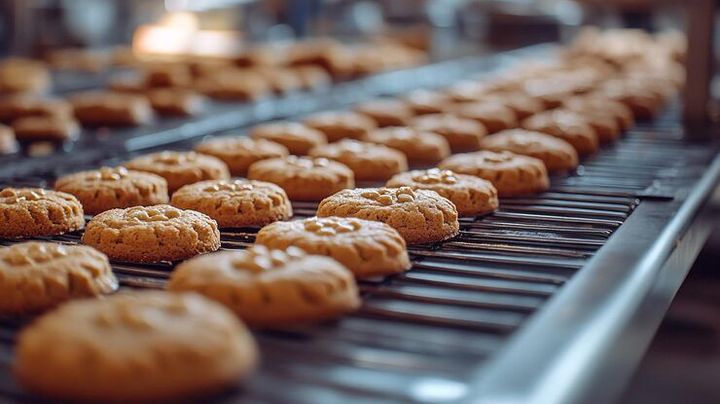
Biscuit Making Machines: Process, Technology, Safety and Trends
Biscuit making machines combine mixing, forming, baking, cooling, and packaging processes to support consistent food production and improved process control.
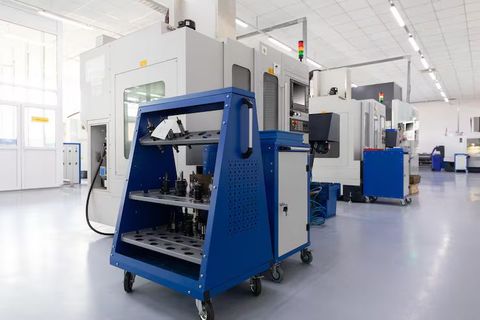
Biscuit making machines are food-processing systems designed to handle different stages of biscuit production. Depending on the product type and production scale, a processing line can include dough mixers, dough feeders, forming equipment, ovens, cooling conveyors, inspection equipment, and packaging systems.
Traditional biscuit preparation involves several manual steps, including ingredient mixing, shaping, baking, and cooling. Modern machinery integrates many of these activities into a coordinated production flow. This can help maintain consistent dimensions, baking conditions, and process timing.
Common biscuit production equipment includes:
- Industrial dough mixers
- Rotary moulding machines
- Wire-cut biscuit machines
- Dough sheeters and laminators
- Tunnel ovens
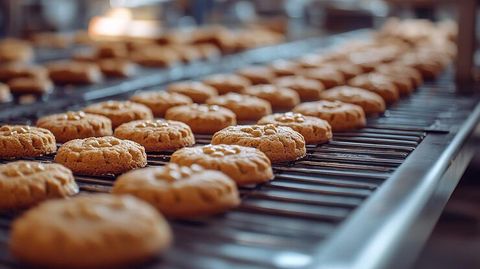
- Cooling conveyors
- Metal detection systems
- Packaging and wrapping equipment
The choice of equipment depends on biscuit formulation, shape, production volume, available floor space, energy requirements, and the desired degree of automation.
Why Biscuit Manufacturing Equipment Matters
The biscuit industry depends heavily on repeatable processing conditions. Small variations in dough thickness, oven temperature, moisture, or baking duration can affect texture, color, size, and shelf stability.
Automated biscuit production equipment can help operators monitor these variables more consistently. Sensors and digital controls can also provide information about temperature, conveyor speed, machine settings, and production conditions.
The wider food-processing machinery sector is increasingly moving toward automation, robotics, sensors, data analytics, and modular equipment. India's Ministry of Food Processing Industries has identified automation, artificial intelligence for quality control, traceability, and energy-efficient processing as important developments in the broader food-processing sector.
| Equipment | Main Function | Typical Process Stage |
|---|---|---|
| Dough Mixer | Combines ingredients | Mixing |
| Rotary Moulder | Forms dough pieces | Shaping |
| Wire-Cut Machine | Produces portioned pieces | Forming |
| Tunnel Oven | Controls baking | Baking |
| Cooling Conveyor | Reduces product temperature | Cooling |
| Inspection System | Detects selected defects | Quality Control |
| Packaging Machine | Protects finished products | Packaging |
Recent Technology and Industry Updates
During 2025 and 2026, food-processing machinery development has continued to emphasize automation, machine safety, digital monitoring, and energy efficiency.
The Ministry of Food Processing Industries' sector profile reported that the global food-processing machinery market was projected to increase from about USD 61.81 billion in 2024 to USD 65.73 billion in 2025. The report also highlighted automation, robotics, advanced sensors, data analytics, machine learning, sustainability, and modular designs as important trends.
BIS has also continued work around machinery safety and food-processing equipment standards. In 2025, BIS published material concerning updated machinery-safety approaches, including risk assessment and risk-reduction principles for integrated manufacturing systems.
For biscuit production, these developments can translate into greater use of programmable controls, automated temperature monitoring, improved guarding, electronic records, and inspection technologies.
Laws, Food Safety and Machinery Policies in India
Biscuit manufacturing in India is affected by food-safety requirements as well as applicable machinery and electrical safety requirements.
Food businesses need to consider the framework administered by the Food Safety and Standards Authority of India (FSSAI), including applicable hygiene, food-processing, labeling, and food-safety requirements.
Machinery requirements can depend on the specific equipment category. BIS maintains standards and certification frameworks covering various types of machinery and electrical equipment. Its current machinery-safety framework includes risk assessment and risk-reduction principles, while applicable requirements can vary according to the equipment involved.
Food-processing equipment is also covered within BIS's broader standardization activities. Its agriculture and food-processing equipment committee covers areas such as processing, packaging, handling, and value-added food equipment.
Manufacturers and processors should therefore verify the latest applicable FSSAI requirements, Indian Standards, electrical requirements, workplace-safety provisions, and local regulations before commissioning equipment.
Tools and Resources for Biscuit Production Planning
Several general tools can help with planning and monitoring biscuit production:
- Production capacity calculators
- Dough formulation spreadsheets
- Baking temperature monitoring systems
- Preventive-maintenance checklists
- Energy-monitoring meters
- Food-safety inspection templates
- Equipment risk-assessment worksheets
- Batch tracking and traceability templates
- Quality-control measurement records
Digital dashboards can combine information from sensors and production equipment, helping operators identify changes in temperature, throughput, downtime, or other process indicators.
Frequently Asked Questions
What machines are used to make biscuits?
Common equipment includes mixers, dough forming machines, moulders or wire-cut systems, ovens, cooling conveyors, inspection equipment, and packaging machinery.
How does a biscuit production line work?
Ingredients are generally mixed into dough, formed into specific shapes, baked under controlled conditions, cooled, inspected, and then packaged.
What affects biscuit machine selection?
Important factors include biscuit type, dough characteristics, required production capacity, automation level, available space, oven configuration, and applicable safety requirements.
Are biscuit machines covered by Indian standards?
Some machinery categories can fall under applicable BIS standards or regulatory requirements. The exact requirements depend on the equipment type and its intended application.
Why is temperature control important?
Temperature affects baking, moisture reduction, color, texture, and product consistency. Controlled heating and monitoring help maintain repeatable processing conditions.
Conclusion
Biscuit making machines have developed from individual mechanical units into integrated food-processing systems combining forming, baking, cooling, inspection, and packaging. Current industry developments increasingly emphasize automation, sensors, energy efficiency, digital monitoring, and machinery safety.
For Indian food processors, understanding the production process alongside applicable FSSAI, BIS, hygiene, electrical, and workplace-safety requirements is important. Careful equipment selection and documented process controls can support consistent manufacturing while helping organizations maintain appropriate food-safety and operational practices.
Disclaimer:
This article is provided for general educational purposes. Regulations, standards, certification requirements, and food-safety obligations can change and may vary according to the equipment, facility, product, and location. Readers should verify current requirements with the relevant Indian authorities before making operational or compliance decisions.