Automotive Testing Equipment: Technology, Safety and Standards
Automotive testing equipment helps engineers evaluate vehicle safety, emissions, performance, and reliability. Understanding modern testing methods, regulatory standards, and diagnostic tools explains how vehicles are assessed before reaching public roads.
Automotive testing equipment includes instruments, software, and measurement systems used to examine how vehicles and their components operate. These technologies help determine whether a vehicle meets established requirements for safety, environmental performance, durability, and functionality.
Automotive testing developed as vehicles became more complex. Early assessments focused mainly on mechanical components, including brakes, engines, and suspension systems. Modern vehicles also contain electronic control units, sensors, driver assistance technologies, and high-voltage electrical systems.
Today, testing can take place in laboratories, manufacturing facilities, controlled road environments, and dedicated vehicle inspection centres. Each setting provides different information about vehicle performance and reliability.
Common categories include:
Engine testing equipment: Measures engine output, temperature, pressure, and operating efficiency.
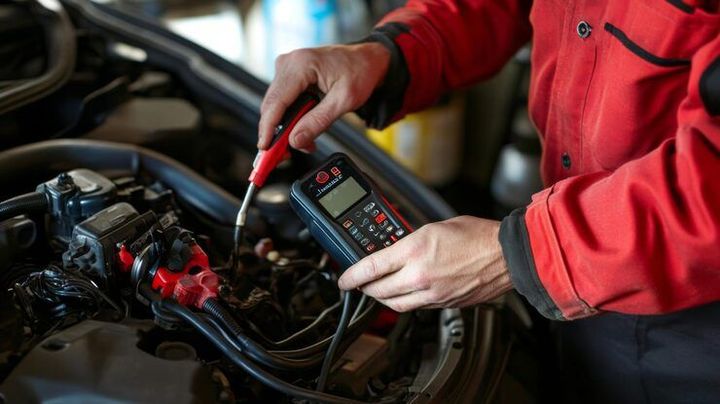
Diagnostic testing equipment: Identifies electronic faults and retrieves vehicle system information.
Emissions testing equipment: Measures pollutants released through vehicle exhaust systems.
Brake and suspension testing systems: Evaluate braking effectiveness, wheel alignment, and suspension performance.
Electrical testing equipment: Examines batteries, wiring, charging systems, and electronic components.
Environmental testing systems: Assess vehicle behaviour under different temperatures, humidity levels, and other controlled conditions.
Why Automotive Testing Matters Today
Vehicle testing affects drivers, passengers, manufacturers, regulators, repair technicians, and the wider environment. Reliable testing helps identify faults before they develop into more serious problems and supports consistent vehicle quality.
Modern automobiles rely heavily on software and electronic controls. A warning light may indicate an issue involving a sensor, engine management system, battery, or another component. Diagnostic equipment helps technicians investigate the underlying cause instead of relying entirely on visual inspection.
Testing also supports environmental protection. Emissions measurement can identify excessive pollutants, while energy-efficiency assessments help evaluate how effectively vehicles use fuel or electrical energy.
Electric vehicles introduce additional testing requirements. Their batteries, charging systems, thermal management components, and electrical insulation must be evaluated using appropriate procedures.
Key benefits include:
Earlier identification of mechanical and electronic faults.
More consistent vehicle safety assessments.
Improved manufacturing quality control.
Better monitoring of emissions and energy efficiency.
Evidence-based evaluation of vehicle components.
Verification of electronic and software-controlled systems.
Testing results depend on suitable equipment, trained personnel, controlled conditions, and correct interpretation. No single instrument can establish every aspect of a vehicle's safety or reliability.
Recent Updates and Emerging Trends
Automotive testing continues to evolve as electric mobility, connected vehicles, and automated driving technologies expand. Developments during 2025 and 2026 have continued to emphasise software validation, battery safety, cybersecurity, and more representative real-world testing.
Several important trends are shaping the field.
Electric vehicle battery testing: Testing methods increasingly address battery capacity, temperature management, charging behaviour, electrical insulation, and thermal safety. These assessments are important for evaluating battery performance throughout its operating life.
Advanced driver assistance testing: Lane-keeping assistance, automatic emergency braking, and adaptive cruise control depend on cameras, radar, software, and other sensors. Engineers use simulation, controlled-track assessments, and real-world scenarios to evaluate these systems.
Software-based vehicle diagnostics: Modern diagnostic platforms can analyse electronic control systems and identify faults that traditional mechanical inspections may overlook.
Connected and automated vehicle validation: Testing increasingly considers software updates, communication security, sensor reliability, and how vehicles respond to unusual traffic situations.
These are continuing industry trends rather than a claim that one new regulation took effect everywhere during 2025 or 2026. Specific requirements depend on the vehicle category and the country where it is tested.
Laws and Policies Affecting Automotive Testing
Automotive testing is influenced by national vehicle regulations, environmental standards, roadworthiness requirements, and technical safety frameworks. The exact rules depend on the vehicle type and the country in which it is manufactured, registered, or operated.
In India, the Ministry of Road Transport and Highways oversees important vehicle safety and testing requirements under the Motor Vehicles Act, 1988, and associated rules.
Key regulatory areas include:
Automated Testing Stations: Rules notified on 23 September 2021 establish a framework for automated vehicle fitness testing.
Electric vehicle standards: Automotive Industry Standards address electric powertrain safety, energy consumption, and driving range.
Vehicle safety assessments: Bharat New Car Assessment Programme (Bharat NCAP) supports passenger-car safety evaluation.
Environmental compliance: Applicable emission standards determine the requirements for measuring and controlling vehicle pollutants.
International technical frameworks: United Nations vehicle regulations provide harmonised approaches to vehicle safety and environmental performance.
Press Information Bureau+2
Regulatory requirements can change, so testing laboratories and vehicle manufacturers should verify the latest applicable standards before conducting formal assessments.
Tools and Resources for Vehicle Testing
Different testing tools address different technical questions. Choosing the appropriate instrument depends on the vehicle, the component under examination, and the required accuracy.
Tool or resource | Main purpose |
|---|---|
Diagnostic scanner | Reads electronic fault codes and vehicle data |
Exhaust gas analyser | Measures selected exhaust pollutants |
Chassis dynamometer | Evaluates vehicle performance under controlled conditions |
Brake tester | Measures braking performance |
Battery analyser | Assesses battery condition and electrical characteristics |
Thermal chamber | Tests components under controlled temperatures |
Technical standards database | Helps identify applicable testing requirements |
Inspection checklist | Records test results and inspection observations |
Calibration records, measurement logs, maintenance schedules, and standard operating procedures also help maintain reliable testing practices. Digital data collection can make it easier to compare results over time and identify unusual measurements.
Frequently Asked Questions
What is automotive testing equipment used for?
It is used to evaluate vehicle performance, diagnose faults, measure emissions, assess braking systems, and examine electrical components. The appropriate equipment depends on the test being performed.
How does vehicle diagnostic equipment work?
Diagnostic equipment communicates with compatible vehicle electronic systems to retrieve fault codes, operating data, and other available information. Technicians interpret these results alongside physical inspections and manufacturer specifications.
Why is electric vehicle testing important?
Electric vehicle testing helps assess battery performance, charging behaviour, electrical insulation, thermal management, and other safety-related characteristics. Appropriate testing supports reliable operation under defined conditions.
Which regulations apply to automotive testing in India?
Applicable requirements may include the Motor Vehicles Act, Central Motor Vehicles Rules, relevant Automotive Industry Standards, and environmental regulations. Requirements vary by vehicle category and testing purpose.
How often should automotive testing equipment be calibrated?
Calibration frequency depends on the instrument, manufacturer guidance, applicable standards, usage conditions, and laboratory quality procedures. Equipment used for formal compliance testing should meet the relevant calibration and traceability requirements.
Conclusion
Automotive testing equipment plays an important role in vehicle safety, environmental protection, manufacturing quality, and modern vehicle diagnostics. As electric powertrains, advanced driver assistance systems, and software-controlled components become more common, testing methods must evolve alongside vehicle technology.
Understanding diagnostic instruments, measurement procedures, and regulatory frameworks helps readers appreciate how vehicle performance and compliance are evaluated. Accurate results ultimately depend on appropriate equipment, qualified personnel, reliable procedures, and adherence to the standards applicable to each vehicle.
Disclaimer: This article provides general educational information, not engineering certification or legal advice. Always consult applicable regulations, technical standards, and qualified professionals for specific testing requirements.