Dairy Processing Equipment: Modern Methods, Tools and Trends
Dairy processing equipment combines specialized machinery, hygienic systems, and monitoring technologies used to process milk into safe, consistent products such as pasteurized milk, yogurt, cheese, butter, cream, and milk powders.
Dairy processing equipment refers to the machinery and systems used to transform raw milk into packaged and processed dairy products. The process can include filtration, separation, pasteurization, homogenization, fermentation, evaporation, drying, cooling, and packaging.
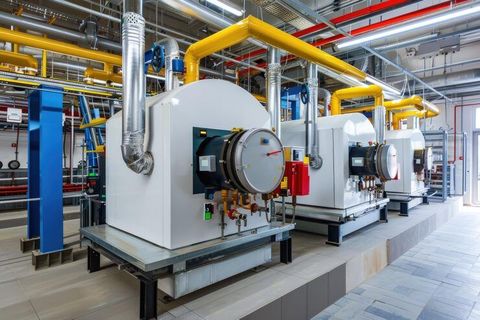
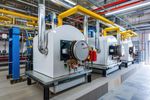
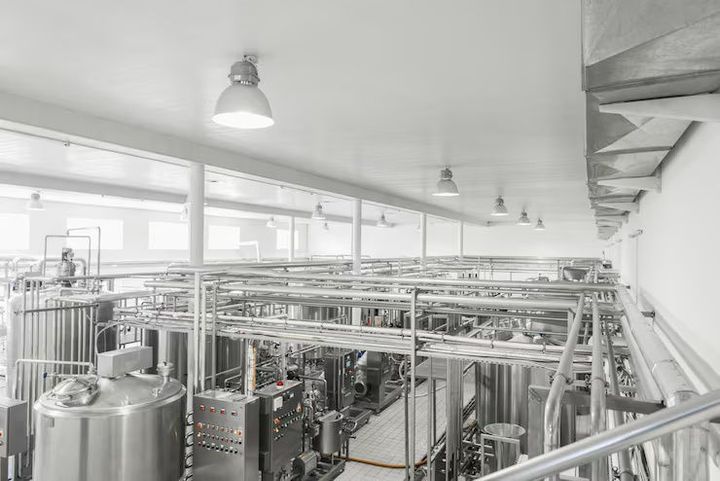
Modern dairy plants use equipment designed around food safety, temperature control, hygienic construction, and consistent processing conditions. Common systems include milk reception tanks, pasteurization systems, homogenizers, centrifugal separators, membrane filtration units, evaporators, dryers, filling equipment, and clean-in-place systems.
The basic processing flow often looks like this:
Milk reception → Filtration → Separation → Pasteurization → Homogenization → Processing → Cooling → Packaging
The exact combination depends on the final product and its processing requirements.
Why Dairy Processing Equipment Matters
Dairy processing equipment plays an important role in food manufacturing because milk is highly perishable and requires controlled handling. Appropriate processing systems help maintain consistent temperature, reduce contamination risks, and support reliable product quality.
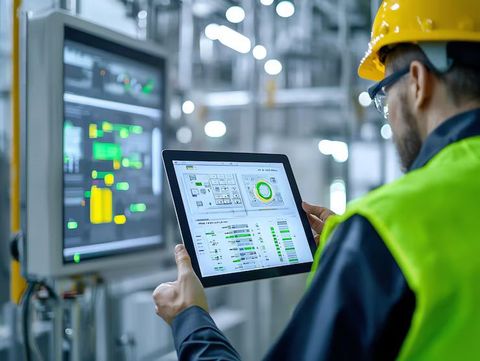
The equipment also affects how efficiently a facility manages water, energy, ingredients, and raw materials. Automation and digital monitoring are increasingly used to track operating conditions and identify process changes.
Important equipment categories include:
| Equipment | Main Function |
|---|---|
| Pasteurizer | Controlled heat treatment |
| Homogenizer | Reduces fat globule size |
| Separator | Separates milk components |
| Membrane system | Filters or concentrates milk components |
| Evaporator | Removes water from liquid products |
| Spray dryer | Produces milk powder and ingredients |
| CIP system | Supports hygienic cleaning |
These technologies are relevant to commercial dairy processing, industrial food manufacturing, milk processing machinery, and food production facilities.
Recent Dairy Processing Trends
Technology development accelerated during 2025 and 2026, particularly in membrane filtration, automation, digital monitoring, and energy efficiency.
In 2025, several membrane technology developments focused on improving dairy filtration and concentration processes. Newer membrane designs are being developed to improve separation performance, manage fouling, and reduce resource requirements.
Digitalization has also become a stronger focus. Industry reporting in December 2025 and May 2026 highlighted greater use of connected equipment, automation, artificial intelligence, data analytics, and digital infrastructure in dairy processing facilities.
Energy efficiency is another major direction. A study published in April 2026 reported that modernization of existing liquid dairy processing lines could potentially reduce greenhouse-gas emissions by 40–49% under its modeled conditions.
These developments show a broader movement toward automated dairy processing equipment, membrane filtration technology, industrial process monitoring, and sustainable food manufacturing.
Laws, Hygiene, and Food Safety Policies
Dairy processing facilities must follow food safety, sanitation, labeling, temperature-control, and traceability requirements established by their jurisdiction. Requirements differ between countries, so equipment specifications should be evaluated against the applicable national and regional framework.
In the United States, dairy processors may be subject to the Grade “A” Pasteurized Milk Ordinance, applicable FDA regulations, and sanitary equipment requirements. FDA guidance also references sanitary construction and pasteurizer evaluation practices for dairy processing.
The FDA proposed changes to 18 dairy product standards of identity on July 17, 2025, demonstrating that regulatory frameworks can evolve over time.
International facilities may also use Codex food hygiene principles and applicable regional food-safety frameworks as references when developing hygienic processing procedures.
Tools and Resources for Dairy Processing
Useful resources for understanding or managing dairy processing include:
- Equipment specification checklists
- Pasteurization temperature and time calculators
- Production-flow diagrams
- CIP procedure templates
- Preventive maintenance schedules
- Food safety audit checklists
- Energy and water consumption worksheets
- Process monitoring dashboards
- HACCP planning templates
- Dairy technology training materials
These tools can help users understand equipment selection, process controls, sanitation requirements, and production performance.
Frequently Asked Questions
What is dairy processing equipment?
It is a group of machines and systems used to process milk into products such as pasteurized milk, yogurt, cheese, butter, cream, and milk powder.
What equipment is commonly used in milk processing?
Common equipment includes storage tanks, filters, separators, pasteurizers, homogenizers, cooling systems, membrane filtration units, and packaging machinery.
Why is pasteurization important?
Pasteurization uses controlled heat treatment to reduce harmful microorganisms while maintaining appropriate product characteristics.
What is membrane filtration in dairy processing?
Membrane filtration separates or concentrates milk components using specialized membranes. It can be used for applications involving milk proteins, whey, lactose, and other dairy ingredients.
Is dairy processing becoming more automated?
Yes. Recent industry developments show growing adoption of automation, connected equipment, artificial intelligence, and data analytics for monitoring and process optimization.
Conclusion
Dairy processing equipment is an essential part of modern food manufacturing. From pasteurizers and homogenizers to membrane filtration and digital monitoring systems, each technology supports a specific stage of dairy production.
Current developments are moving the industry toward greater automation, improved resource efficiency, advanced filtration, and data-driven process control. Understanding these technologies and the applicable food-safety requirements can help readers better evaluate how modern dairy processing systems work.
Disclaimer: This article is intended for general educational purposes. Dairy processing requirements vary by product, facility, and jurisdiction. Always consult applicable food-safety regulations and qualified technical guidance before making processing decisions.