Advanced Materials Technology: Innovations, Uses and Trends
Advanced materials technology develops materials with engineered properties for demanding uses in electronics, energy, transport, aerospace, construction, and industrial manufacturing. It combines materials science, advanced manufacturing, testing, and digital modelling to improve performance, durability, safety, and efficiency.
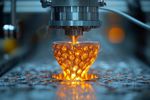
Advanced materials technology focuses on designing, modifying, testing, and applying materials that perform better than conventional options in specific environments. Examples include carbon-fiber composites, advanced ceramics, high-performance alloys, nanomaterials, semiconductor materials, battery materials, and smart materials.
These materials exist because modern systems must often handle extreme heat, pressure, corrosion, electrical demand, weight limits, or repeated mechanical stress. Materials engineering studies composition, structure, processing, and performance so a material can be matched to an engineering requirement.
Importance
Why It Matters Today
Advanced materials can determine how well an entire system performs. In electronics, semiconductor materials control important electrical behavior. In energy storage, electrode and electrolyte materials influence battery performance and safety. In transport, lightweight composites can reduce mass while maintaining useful strength.
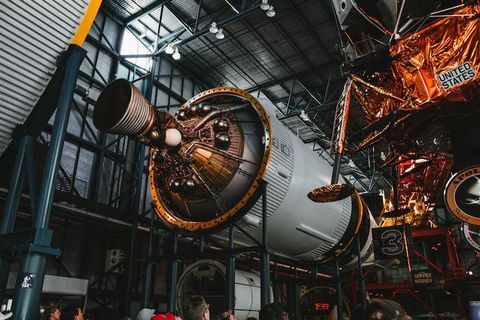
The field affects manufacturers, researchers, engineers, universities, infrastructure planners, and users of technologies that depend on reliable materials. It supports areas such as aerospace composites, ceramic matrix composites, advanced coatings, thermal management materials, and high-performance polymers.
Problems Addressed
Common goals include improving durability, reducing material waste, increasing energy efficiency, resisting corrosion, and enabling smaller or more capable devices. Some advanced materials are designed to operate where conventional materials may degrade quickly.
Recent Updates
India’s materials landscape gained significant policy attention during 2025 and 2026. On January 29, 2025, the Union Cabinet approved the National Critical Mineral Mission, creating a seven-year framework for exploration, processing, recovery, research, and stronger critical-mineral value chains. On April 16, 2025, the Ministry of Mines issued guidelines for Centres of Excellence focused on critical-mineral research and technology development.
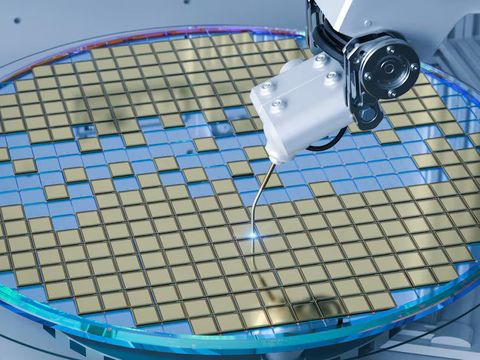
Semiconductor materials also became a major focus. The Union Budget 2026–27 announced India Semiconductor Mission 2.0, with emphasis on semiconductor equipment and materials and an allocation of ₹1,000 crore for FY 2026–27. On July 15, 2026, the Cabinet approved Semicon 2.0 with a total outlay of ₹1,27,500 crore and a dedicated pillar for semiconductor equipment and materials.
Green hydrogen is another active research area. Updated guidelines in 2025 and 2026 cover innovation, hydrogen hubs, testing, standards, and research, encouraging work on membranes, catalysts, storage materials, and protective coatings.
Laws or Policies
India does not regulate every advanced material through one single law. Requirements depend on the material, application, manufacturing process, and environmental impact.
The National Critical Mineral Mission is relevant to technologies that depend on critical minerals and recovery. The Battery Waste Management Rules, 2022 establish Extended Producer Responsibility for covered batteries and address collection, recycling, refurbishment, and recycled materials. Environmental rules may also apply to hazardous substances, waste handling, emissions, and industrial facilities.
For hydrogen-related materials and equipment, the National Green Hydrogen Mission provides a framework covering standards, certification, research, testing infrastructure, and pilot activities.
Tools and Resources
Helpful resources include:
- Materials property databases for strength, density, thermal behavior, and electrical properties.
- Phase-diagram and thermodynamic calculators.
- Materials simulation software for structure and performance modelling.
- Microscopy and spectroscopy methods for materials characterization.
- Lifecycle assessment tools for environmental analysis.
- Technical standards and government research portals for current rules and programmes.
FAQs
What are advanced materials?
They are engineered materials designed for specific properties such as strength, heat resistance, conductivity, durability, or low weight.
Are nanomaterials part of advanced materials technology?
Yes. Their nanoscale structure can create properties that differ from the same material at larger scales.
Why are advanced materials important for semiconductors?
Semiconductor manufacturing requires precisely controlled materials, substrates, chemicals, packaging materials, and thermal-management components.
Does India support advanced materials research?
Yes. Current initiatives connected with critical minerals, semiconductors, green hydrogen, and research funding include advanced-materials work.
Are advanced materials always better than conventional materials?
No. Suitability depends on the application, manufacturing method, environmental conditions, reliability requirements, and lifecycle considerations.
Conclusion
Advanced materials technology is a foundation for many modern industries. Its scope ranges from semiconductor materials and battery materials technology to aerospace composites, advanced ceramics, coatings, and smart materials. In India, recent policy activity has increased attention on critical minerals, semiconductor materials, research infrastructure, and clean-energy technologies. Progress will depend on accurate testing, responsible environmental management, practical manufacturing methods, and research that connects laboratory results with real-world performance.
Disclaimer
This article is for general educational purposes. Material properties, regulatory requirements, and government programmes can change, so technical or regulatory decisions should be checked against the latest applicable Indian rules and official guidance.