Hydraulic Equipment Assembly: Essential Process and Safety Guide
Hydraulic equipment assembly is the process of putting together components that use pressurized fluid to create controlled force and movement. This guide explains the process, its importance, recent trends, regulations, useful tools, and common questions.
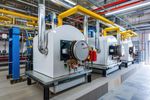
Hydraulic equipment assembly involves connecting and installing components that use pressurized hydraulic fluid to transfer power. Common components include pumps, cylinders, valves, hoses, pipes, filters, reservoirs, fittings, and control units.
Hydraulic systems exist because fluid pressure can generate substantial and controlled force in a relatively compact system. This makes them important in manufacturing equipment, construction machinery, agricultural machines, industrial automation, and material-handling applications.
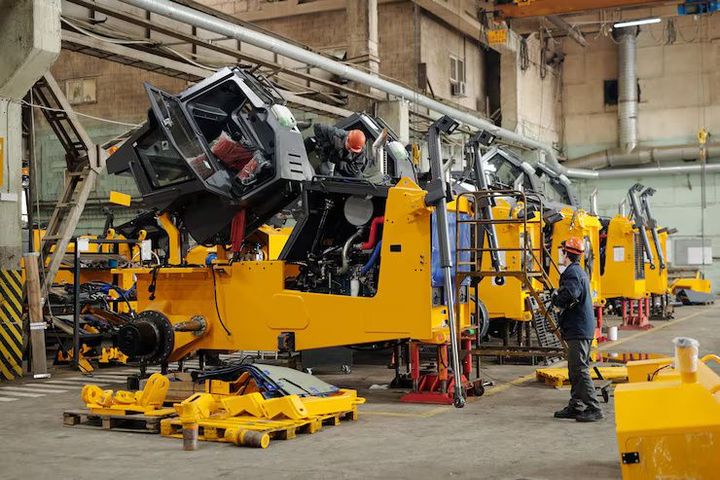
A typical assembly process begins with a technical drawing or system diagram. Components are then positioned, connected, checked for cleanliness, filled with the correct hydraulic fluid, and tested under controlled conditions.
| Assembly Stage | Main Purpose |
|---|---|
| Component inspection | Check compatibility and condition |
| Mechanical assembly | Position and secure major components |
| Fluid connections | Connect hoses, pipes, and fittings |
| System preparation | Fill, filter, and remove trapped air |
| Testing | Verify pressure, movement, and safe operation |
Clean assembly is especially important. Contaminated fluid or damaged fittings can contribute to leakage, excessive wear, reduced performance, or component failure.
Why Hydraulic Equipment Assembly Matters
Hydraulic equipment supports many modern industrial processes where controlled force, lifting, pressing, or movement is required. Accurate assembly helps components work together according to their intended operating conditions.
Key Areas of Importance
- Operational reliability: Correct connections can support stable pressure and fluid flow.
- Equipment safety: Proper assembly reduces risks associated with loose fittings, damaged hoses, and unexpected pressure release.
- Industrial efficiency: Well-organized hydraulic systems can support repeatable machine movement.
- Maintenance planning: Clearly arranged components can make inspections and troubleshooting easier.
- System longevity: Cleanliness, correct alignment, and suitable fluid management can reduce unnecessary wear.
Hydraulic equipment assembly affects machine operators, maintenance teams, engineers, manufacturers, and facilities that depend on industrial equipment.
Recent Updates and Industry Trends
During 2025 and into 2026, hydraulic equipment development has continued to focus on digital monitoring, energy efficiency, contamination control, and improved system diagnostics.
Smart Hydraulic Monitoring
Modern systems increasingly use sensors to track pressure, temperature, fluid condition, and operating cycles. This information can help identify unusual conditions before they become larger equipment problems.
Greater Focus on Fluid Cleanliness
Contamination remains a major concern in hydraulic systems. Improved filtration practices, cleaner assembly environments, and fluid-condition monitoring are becoming more important in industrial maintenance programs.
Electrification and Energy Efficiency
Some equipment designs are combining hydraulic power with electronically controlled systems. Variable-speed drives and advanced controls can help improve how hydraulic power is managed during different operating conditions.
These trends do not replace careful mechanical assembly. Instead, they increase the need for accurate component installation and reliable electrical or sensor connections.
Laws and Policies
Hydraulic equipment assembly may be affected by workplace safety rules, machinery safety requirements, pressure-system standards, environmental regulations, and manufacturer specifications. The exact requirements can vary by country and equipment type.
In industrial environments, organizations may need procedures covering:
- Pressure hazard control
- Lockout and isolation practices
- Machinery guarding
- Personal protective equipment
- Hydraulic fluid handling and disposal
- Inspection and maintenance records
- Equipment testing and documentation
Internationally recognized machinery and hydraulic safety standards can also influence system design and assembly practices. Businesses should review the regulations applicable to their country, industry, and equipment category before operating hydraulic machinery.
Tools and Resources
Several practical resources can support a structured hydraulic assembly process.
Common Assembly Tools
- Torque wrenches
- Pressure gauges
- Hose and fitting inspection tools
- Fluid filtration equipment
- Hydraulic system diagrams
- Component identification labels
- Measurement tools
- Diagnostic instruments
Digital hydraulic calculators can also help estimate fluid flow, pressure relationships, cylinder force, and basic system parameters. Maintenance templates are useful for recording inspection dates, fluid checks, component conditions, and testing results.
Technical manuals, training materials, and standardized assembly checklists can help users follow a consistent process.
Frequently Asked Questions
What is hydraulic equipment assembly?
It is the process of installing and connecting hydraulic components so pressurized fluid can safely transfer power and control machine movement.
Why is cleanliness important during assembly?
Dirt and other contaminants can enter the fluid system and contribute to wear, blockage, or reduced component performance.
What should be checked before system testing?
Connections, component mounting, fluid level, filtration, pressure settings, and visible signs of damage should be reviewed before controlled testing.
Can hydraulic pressure create safety risks?
Yes. Pressurized fluid can create serious hazards if released unexpectedly. Equipment should be properly isolated and depressurized before inspection or maintenance.
How often should assembled hydraulic equipment be inspected?
Inspection frequency depends on equipment type, operating conditions, manufacturer guidance, and applicable workplace requirements.
Conclusion
Hydraulic equipment assembly is an important part of industrial machine reliability and safety. The process requires careful component selection, clean installation practices, accurate connections, and controlled testing. As hydraulic technology continues to adopt sensors, digital diagnostics, and energy-efficient controls, proper assembly remains the foundation of dependable system operation.
Disclaimer
This article provides general educational information about hydraulic equipment assembly. Assembly, testing, maintenance, and operation should follow applicable regulations, equipment documentation, workplace procedures, and qualified technical guidance.