Metal Processing Guide to Aluminum Sheets and Coils With Production Insights And Uses
Aluminum sheets and coils are among the most widely used metal products in modern manufacturing and construction. Their lightweight structure, corrosion resistance, strength, and excellent formability make them suitable for a wide range of industrial applications. Aluminum sheets are produced as flat panels with specific thicknesses, while aluminum coils are continuous rolled strips wound into large rolls for efficient transportation and automated processing. Both products play an essential role in industries requiring reliable, durable, and versatile materials.
According to global manufacturing research, the demand for aluminum sheets and coils continues to increase because industries are focusing on lightweight materials that improve efficiency without sacrificing performance. Advances in rolling technology, precision processing, and recycling methods have enhanced product quality while reducing production waste. These improvements have expanded the use of aluminum products across construction, transportation, packaging, electrical equipment, and industrial manufacturing.
Understanding the differences between aluminum sheets and coils helps manufacturers, engineers, fabricators, and construction professionals choose the most suitable material for their production requirements. Factors such as thickness, surface finish, mechanical strength, processing methods, and intended applications all influence material selection. Learning how these products are manufactured and where they are commonly used provides valuable insight into modern metal processing.
Importance of Aluminum Sheets and Coils
Aluminum sheets and coils are important for manufacturers, construction companies, fabrication workshops, product designers, engineers, and industrial suppliers. Their combination of low weight and high strength makes them suitable for products that require durability while remaining easy to handle and transport.
Without reliable aluminum materials, many manufacturing operations would face increased production costs, heavier finished products, and reduced processing efficiency. Aluminum offers excellent machinability, allowing it to be cut, bent, stamped, welded, and formed into a wide variety of shapes for different industries.
Modern production facilities often select aluminum because it performs well in both automated and manual fabrication processes. Its corrosion resistance also makes it suitable for applications exposed to moisture, changing temperatures, and outdoor environments where long-term durability is important.
Recent Developments in Aluminum Processing
Metal processing technology continues to improve the production of aluminum sheets and coils. Advanced rolling mills now provide greater thickness accuracy, smoother surface finishes, and improved dimensional consistency. These developments help manufacturers produce components with higher precision while reducing material waste.
Another important trend is the growing emphasis on recycled aluminum. Recycling requires significantly less energy than producing primary aluminum, making recycled material an increasingly valuable resource in sustainable manufacturing. Many industries now incorporate recycled aluminum into production without compromising quality.
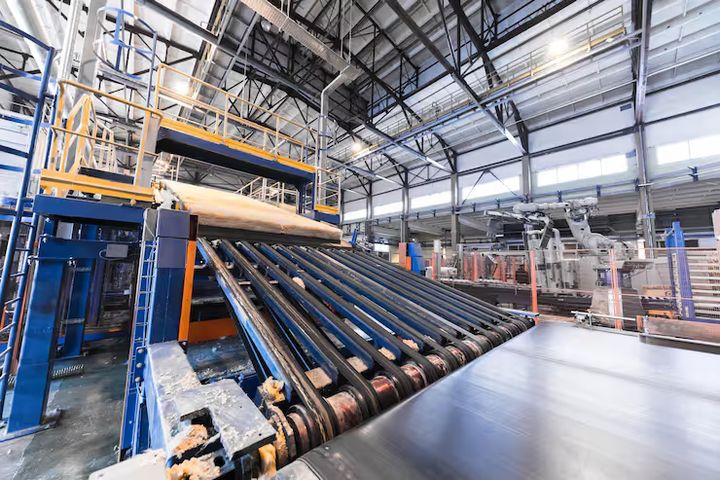
Automation has also transformed aluminum processing. Modern production lines use computerized monitoring systems to control rolling pressure, temperature, surface quality, and coil winding. These technologies improve production efficiency while maintaining consistent product standards.
Aluminum Sheets and Coils Comparison
The following table highlights the primary differences between aluminum sheets and aluminum coils.
| Feature | Aluminum Sheets | Aluminum Coils |
|---|---|---|
| Product Form | Flat individual panels | Continuous rolled strip |
| Handling | Easy for manual fabrication | Suitable for automated processing |
| Storage | Requires stacking | Compact rolled storage |
| Production Use | Small and medium projects | High-volume manufacturing |
| Common Applications | Construction panels, equipment | Roofing, packaging, continuous production |
| Processing Flexibility | Individual fabrication | Continuous forming operations |
Aluminum sheets are commonly selected for fabrication projects requiring individual panels, while aluminum coils support continuous manufacturing where efficiency and automated processing are important. Both products offer similar material properties, but their formats determine how they are handled during production.
Production Insights and Industrial Uses
The production of aluminum sheets and coils begins with aluminum slabs that are heated and passed through rolling mills. During hot rolling, the material is reduced to the required thickness before undergoing cold rolling to improve dimensional accuracy and surface finish. Additional treatments such as annealing may be performed to achieve the desired mechanical properties.
After rolling, aluminum sheets are cut into standard dimensions, while coils remain in continuous form for transportation and further processing. Surface finishing processes may include cleaning, coating, polishing, embossing, or protective film application depending on the intended use.
Construction is one of the largest users of aluminum sheets and coils. They are widely used for roofing panels, wall cladding, curtain wall systems, ceiling panels, doors, windows, and decorative architectural elements because they provide durability and corrosion resistance.
The transportation industry also relies heavily on aluminum products to reduce vehicle weight while maintaining structural strength. Lightweight components improve efficiency and simplify manufacturing processes for various transport equipment.
Packaging manufacturers use aluminum coils to produce containers, closures, foils, and protective packaging materials. Electrical industries utilize aluminum because of its excellent conductivity, while industrial equipment manufacturers incorporate aluminum into machinery, storage systems, ventilation components, and fabricated products.
Another important advantage of aluminum is its excellent corrosion resistance. A naturally forming oxide layer protects the surface from environmental damage, making aluminum suitable for outdoor installations and humid environments. This protective characteristic contributes to long service life with relatively low maintenance requirements.
Sustainability has become a major advantage of aluminum processing. Aluminum can be recycled repeatedly without significant loss of quality, helping manufacturers conserve natural resources while reducing production energy requirements. Modern recycling systems continue to strengthen aluminum's position as one of the most environmentally responsible engineering materials.
Frequently Asked Questions
What is the difference between aluminum sheets and aluminum coils?
Aluminum sheets are supplied as flat individual panels, while aluminum coils are continuous rolled strips wound into large rolls. Both are manufactured from aluminum, but coils are generally preferred for automated production, whereas sheets are commonly used for individual fabrication projects.
Why is aluminum widely used in manufacturing?
Aluminum combines lightweight properties, corrosion resistance, strength, good machinability, and excellent formability. These characteristics allow manufacturers to produce durable products while improving production efficiency and reducing overall material weight.
Are aluminum sheets and coils recyclable?
Yes. Aluminum is one of the most recyclable engineering materials available. It can be processed and reused repeatedly with minimal loss of material quality, supporting sustainable manufacturing and resource conservation.
Which industries commonly use aluminum sheets and coils?
Construction, transportation, packaging, electrical manufacturing, industrial equipment production, architecture, consumer products, and engineering industries all make extensive use of aluminum sheets and coils because of their versatility and dependable performance.
How are aluminum sheets and coils manufactured?
Production involves casting aluminum into slabs, followed by hot rolling, cold rolling, heat treatment when required, surface finishing, quality inspection, and finally cutting into sheets or winding into coils depending on the intended application.
Conclusion
Aluminum sheets and coils are fundamental products in modern metal processing because they combine lightweight performance, corrosion resistance, excellent workability, and long-term durability. Their versatility allows manufacturers across multiple industries to produce reliable components for construction, transportation, packaging, engineering, and industrial applications.
Understanding the production process, material characteristics, and intended uses helps manufacturers and construction professionals select the most appropriate product for their specific requirements. As metal processing technologies continue to advance, aluminum sheets and coils are expected to remain essential materials supporting efficient, sustainable, and high-quality manufacturing worldwide.