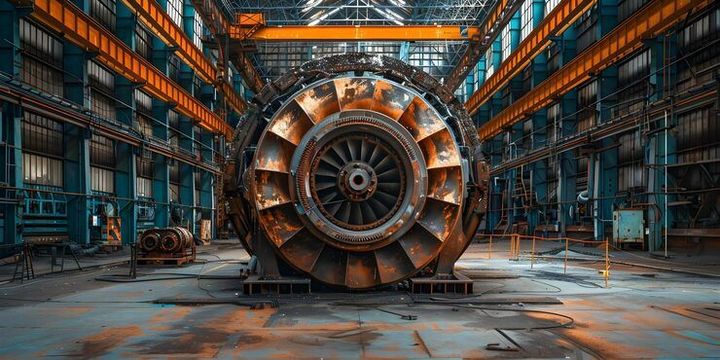
Power Generation Equipment: Types, Uses, and Key Trends Today
Explore power generation equipment, its major types, practical applications, emerging energy technologies, and the regulations shaping reliable electricity production.
Power generation equipment refers to the machines, electrical components, and supporting systems that convert different forms of energy into electricity. These technologies help supply electricity to homes, factories, hospitals, commercial buildings, and essential public infrastructure.
Electricity can be generated using several energy sources, including coal, natural gas, flowing water, sunlight, wind, biomass, and nuclear reactions. Each source requires specific equipment designed to capture energy and convert it into usable electrical power.
Common examples include industrial generators, steam turbines, gas turbines, hydroelectric turbines, solar photovoltaic panels, wind turbines, transformers, and electrical control systems.
A conventional power plant may use heat to produce steam, which rotates a turbine connected to an electrical generator. In contrast, solar panels convert sunlight directly into electricity, while wind turbines use moving air to rotate their blades.
The equipment selected depends on the energy source, required output, operating environment, reliability requirements, and connection to the electricity grid.
Why Power Generation Equipment Matters Today
Reliable electricity supports modern life. Healthcare facilities need dependable power for medical equipment, while factories rely on electricity to operate machinery and maintain production processes. Data centres, transportation networks, and communication systems also require consistent electrical supply.
Power generation equipment helps address several important challenges.
Electricity reliability: Backup generators and standby power systems can support essential operations during grid interruptions.
Industrial productivity: Turbine generators and large electrical generators supply power for demanding industrial processes.
Renewable energy integration: Solar inverters, wind turbines, and battery energy storage systems help incorporate variable renewable electricity into the grid.
Energy efficiency: Modern control systems and high-efficiency equipment can reduce fuel consumption or electrical losses under suitable operating conditions.
Grid stability: Transformers, switchgear, monitoring equipment, and power management systems help regulate and distribute electricity safely.
Equipment performance also affects environmental outcomes. Cleaner generation technologies can reduce certain emissions, although their overall impact depends on the energy source, manufacturing process, operating conditions, and complete energy system.
Recent Developments and Emerging Trends
During 2025 and 2026, electricity demand, renewable energy expansion, energy storage, and grid modernisation remained important influences on power generation technology.
Several developments illustrate these changes.
January 19, 2026: India's Central Electricity Authority published guidelines for type testing major power-sector equipment, supporting technical evaluation and quality assurance.
Central Electricity AuthorityJanuary 21, 2026: India's Ministry of Power released a draft National Electricity Policy 2026 for public consultation, outlining proposed directions for the electricity sector.
Press Information BureauMarch 2026: India amended rules concerning captive generating plants, clarifying aspects of the regulatory framework for electricity generation used by industrial facilities.
Press Information BureauThroughout 2025–2026: Battery storage, digital monitoring, flexible power plant operation, and improved forecasting continued to gain attention as electricity systems integrated more renewable energy.
These developments show why modern power plant equipment increasingly combines mechanical engineering, electrical protection, digital controls, and energy storage.
The direction of change varies between countries, and proposed policies should not be confused with final regulations.
Laws, Policies, and Safety Requirements
Power generation equipment is affected by national electricity laws, technical standards, environmental requirements, and workplace safety rules. The exact requirements depend on the country, equipment type, plant capacity, and energy source.
In India, the Electricity Act, 2003, provides a major legal framework for the electricity sector. The Central Electricity Authority develops technical standards covering electrical infrastructure, plant construction, and safety.
Important regulatory considerations include:
Electrical safety: Equipment installation, grounding, protective devices, and maintenance must follow applicable safety requirements.
Technical compliance: Generators, transformers, turbines, and associated components may need to meet relevant engineering standards and testing requirements.
Environmental protection: Applicable rules may govern air emissions, water use, noise, and waste from power plants.
Grid connection: Power plants must follow applicable grid connectivity, operational, and electricity quality requirements.
Renewable energy integration: Solar, wind, and storage projects may be subject to specific technical and regulatory provisions.
India's draft National Electricity Policy 2026 represents a proposed policy direction, rather than a replacement for existing rules unless formally adopted. Readers should distinguish draft proposals from regulations currently in force.
Tools and Resources for Understanding Power Systems
Several educational and technical resources can help readers understand power generation equipment and compare different electricity technologies.
Energy output calculator: Estimates electricity production using rated capacity and operating hours.
Generator sizing worksheet: Helps estimate electrical demand, starting loads, and required generator capacity.
Equipment maintenance checklist: Organises routine inspections, vibration checks, temperature monitoring, and electrical testing.
Energy efficiency calculator: Compares useful electrical output with the energy input required for generation.
Electrical system diagrams: Explain how generators, transformers, switchgear, and distribution networks connect.
Government energy databases: Provide electricity statistics, generation capacity reports, technical standards, and policy updates.
These resources are useful for learning and preliminary planning. Actual equipment selection and electrical system design require appropriate engineering assessments.
Frequently Asked Questions
What are the main types of power generation equipment?
Major types include diesel and gas generators, steam turbines, hydroelectric turbines, solar panels, wind turbines, nuclear power plant equipment, transformers, and battery storage systems.
How does a turbine generator produce electricity?
A turbine converts energy from steam, gas, or moving water into rotational motion. The connected generator converts that motion into electrical energy through electromagnetic induction.
What factors affect generator efficiency?
Efficiency depends on equipment design, operating load, fuel quality, maintenance condition, ambient temperature, and energy conversion losses. Different technologies have different efficiency characteristics.
Why is energy storage important for renewable power?
Battery systems and pumped-storage hydropower can store energy for later use. They help balance differences between electricity generation and demand, particularly when sunlight or wind availability changes.
Which regulations apply to power generation equipment in India?
Requirements can include the Electricity Act, 2003, Central Electricity Authority regulations, applicable environmental rules, electrical safety standards, and grid connectivity requirements. The relevant provisions depend on the installation and its operating conditions.
Conclusion
Power generation equipment is essential for producing dependable electricity across residential, commercial, industrial, and public applications. Generators, turbines, solar panels, transformers, and energy storage systems each perform different roles within the electricity network.
Recent developments highlight the importance of equipment quality, operational flexibility, renewable energy integration, and grid reliability. Understanding these technologies and their regulatory requirements helps readers make sense of the changing electricity landscape.
Disclaimer: This article is intended for general educational purposes only. Technical specifications, safety requirements, and regulatory provisions can change. Consult applicable official standards and qualified electrical professionals before making engineering or operational decisions.