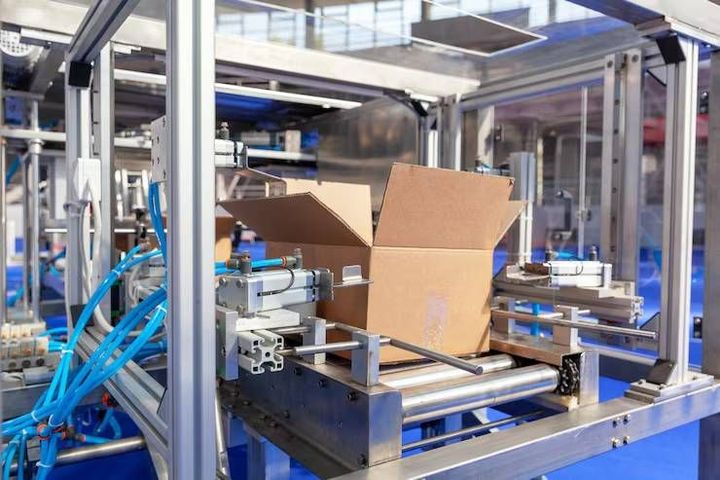
Packaging Machinery: Technology, Trends, Safety, and Regulations
Packaging machinery plays an important role in modern manufacturing by helping businesses package products efficiently, maintain product quality, reduce material waste, and meet packaging safety requirements. Understanding packaging automation, industrial packaging equipment, and regulatory developments helps manufacturers make informed operational decisions.
Packaging machinery refers to equipment used to prepare, fill, seal, label, wrap, and organize products for storage, transportation, and distribution. These systems are widely used in food processing, pharmaceuticals, cosmetics, consumer goods, electronics, and industrial manufacturing.
As production volumes increase, manual packaging alone may not meet requirements for speed, consistency, and product protection. Automated packaging systems help standardize repetitive tasks while supporting quality control and efficient material handling.
Common types of packaging machinery include:
Filling machines: Measure and dispense liquids, powders, granules, and other materials into containers.
Sealing machines: Close packages to help protect products against contamination, leakage, and environmental exposure.
Labeling machines: Apply product labels, identification details, and traceability information.
Wrapping machines: Cover products with suitable protective films or wrapping materials.
Cartoning and case-packing systems: Arrange products into cartons and shipping cases.
Inspection systems: Detect certain packaging defects, missing labels, or incorrect product quantities.
The appropriate equipment depends on product characteristics, packaging materials, production volume, and applicable industry standards.
Why Packaging Automation Matters Today
Packaging machinery affects manufacturers, distributors, retailers, and consumers. Reliable packaging protects products during handling and transportation while helping organizations maintain consistent presentation and product identification.
Automated packaging equipment can support several operational objectives:
Production efficiency: Repetitive packaging tasks can be completed with less manual handling.
Product protection: Proper sealing and packaging help reduce exposure to moisture, dust, and other external factors.
Quality assurance: Sensors and inspection equipment can identify selected packaging errors.
Material management: Accurate dispensing and packaging controls can reduce unnecessary material use.
Traceability: Coding and labeling systems help record batch numbers, manufacturing dates, and other required information.
Industrial packaging automation also connects with manufacturing execution systems, warehouse operations, and production monitoring platforms. These connections can improve visibility into equipment performance and packaging output.
Recent Trends in Packaging Machinery
Developments during 2025 and 2026 have continued to emphasize automation, resource efficiency, and digital monitoring. Adoption varies by industry, region, and manufacturer.
Digital Monitoring and Smart Equipment
Modern packaging lines increasingly use sensors, programmable logic controllers, and connected monitoring systems. These technologies can track machine speed, operating conditions, downtime, and selected quality indicators.
Predictive maintenance tools can analyze equipment data to identify patterns associated with wear or possible failures. However, their accuracy depends on data quality, system configuration, and maintenance practices.
Sustainable Packaging Materials
Manufacturers are evaluating recyclable materials, lightweight packaging, and packaging formats designed to reduce material consumption. Machinery may require adjustments when processing different paper-based materials, recyclable films, or alternative container designs.
Flexible Production Lines
Equipment designed for shorter production runs and quicker format changes can help manufacturers handle different package sizes and product types. This flexibility is particularly relevant to facilities producing multiple product variations.
The following table summarizes major technology trends.
Trend | Main purpose |
|---|---|
Smart sensors | Monitor machine performance |
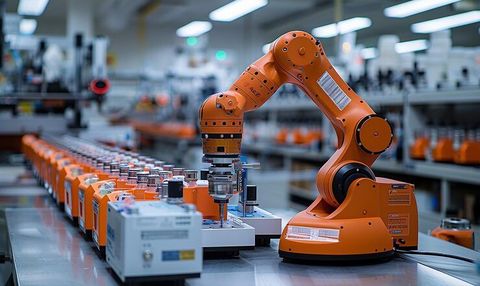
Robotics | Automate handling and packing |
Digital inspection | Identify selected packaging defects |
Sustainable materials | Support material efficiency |
Connected production systems | Improve operational visibility |
Laws, Regulations, and Packaging Compliance
Packaging machinery must be evaluated alongside the rules governing workplace safety, product packaging, labeling, and environmental protection. Requirements depend on the country, product category, and intended market.
In the United States, several regulatory frameworks may apply:
Occupational safety: Occupational Safety and Health Administration (OSHA) requirements address workplace hazards, machine guarding, hazardous energy control, and worker protection.
Food packaging: Food and Drug Administration (FDA) regulations may apply to food-contact materials and packaging used for regulated products.
Environmental requirements: Federal, state, and local rules may govern packaging waste, recycling, and certain packaging materials.
Product labeling: Applicable labeling regulations determine which product details must appear on packaging.
Manufacturers operating in the European Union may also need to consider machinery safety requirements and the EU Packaging and Packaging Waste Regulation, which entered into force in February 2025, with general application beginning in August 2026, subject to specific provisions and transition arrangements.
Compliance should be assessed for the actual equipment, product, packaging material, and destination market. Machinery operators should receive appropriate training, and equipment should be maintained according to documented safety procedures.
Useful Tools and Learning Resources
Several general-purpose tools can help organizations understand packaging equipment and improve production planning.
Packaging line assessment checklist: Records production requirements, package dimensions, material types, and inspection needs.
Production capacity calculator: Estimates theoretical output using machine cycle time and operating hours.
Packaging material evaluation worksheet: Compares material characteristics, recyclability, durability, and compatibility with equipment.
Preventive maintenance log: Tracks inspections, component replacements, maintenance dates, and equipment downtime.
Energy monitoring dashboard: Helps evaluate electricity consumption and identify changes in machine performance.
Regulatory compliance checklist: Organizes applicable safety, labeling, and packaging documentation.
Technical manuals, government regulatory portals, industry standards documentation, and packaging engineering guides are useful starting points for further research.
Frequently Asked Questions
What is packaging machinery used for?
Packaging machinery fills, seals, labels, wraps, and organizes products. It helps maintain consistent packaging, protect goods, and support manufacturing operations.
Which industries use industrial packaging equipment?
Food and beverage, pharmaceuticals, cosmetics, electronics, chemicals, and consumer goods are among the industries that commonly use packaging equipment.
What is the difference between manual and automated packaging?
Manual packaging relies more heavily on human handling, while automated packaging uses machinery and controls to perform defined tasks. Many facilities combine both approaches.
How does packaging automation improve quality control?
Sensors, cameras, weighing systems, and inspection equipment can detect specific defects or deviations. Results depend on equipment capabilities, calibration, and inspection settings.
What should manufacturers consider when selecting packaging machinery?
Important factors include product properties, package dimensions, production requirements, material compatibility, maintenance needs, operator safety, and regulatory compliance.
Conclusion
Packaging machinery is an important part of modern industrial production. Filling, sealing, labeling, inspection, and automated handling systems help manufacturers protect products and maintain consistent packaging standards. Digital monitoring and sustainable packaging developments are influencing equipment design and production planning. Understanding relevant regulations, operational requirements, and maintenance practices supports informed decisions and more reliable packaging processes.
Disclaimer
This article is intended for general educational purposes only. Regulatory requirements vary by jurisdiction and product category. Consult applicable government guidance and qualified technical or compliance professionals when evaluating specific machinery or packaging operations.