Healthcare & Hospital Furniture: Essential Guide to Modern Facilities
Healthcare and hospital furniture plays an important role in patient comfort, clinical workflow, hygiene, safety, and efficient healthcare facility design. Modern furniture combines practical design with durability, accessibility, and infection-control considerations.
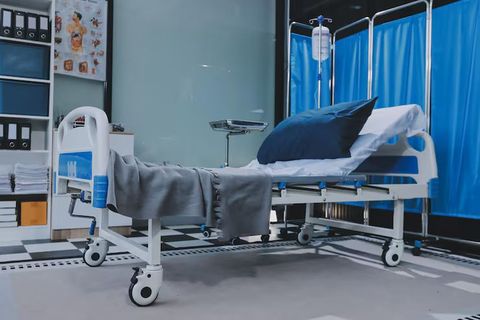
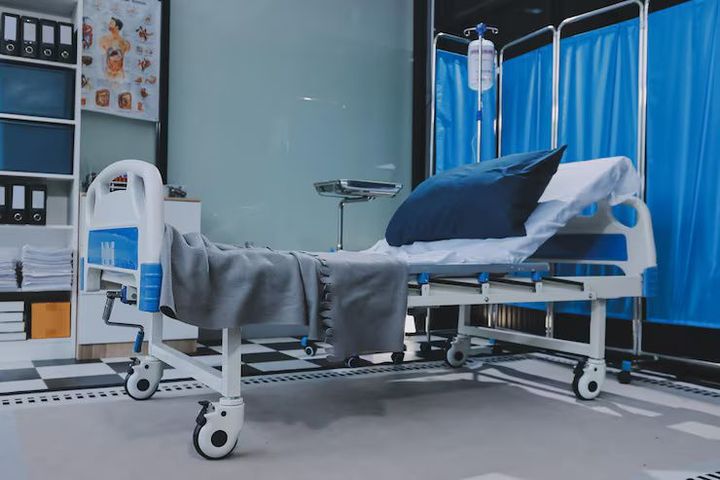
Healthcare and hospital furniture includes the physical furnishings used in patient rooms, treatment areas, laboratories, waiting spaces, operating areas, nursing stations, and administrative zones. Common examples include hospital beds, bedside cabinets, examination tables, medical carts, patient chairs, visitor seating, storage units, and clinical workstations.
The development of specialized hospital furniture reflects the unique requirements of healthcare environments. Furniture must support frequent cleaning, regular movement, patient accessibility, staff workflow, and safe use.
Modern healthcare facility design increasingly considers furniture as part of the wider clinical environment rather than simply as room equipment. Ergonomic design, smooth surfaces, appropriate materials, mobility, and space efficiency can influence how comfortably and safely an area functions.
Why Healthcare Furniture Matters Today
Healthcare facilities manage large numbers of patients, healthcare professionals, visitors, equipment, and supplies. Poorly planned furniture can create unnecessary movement, obstruct access, or make cleaning more difficult.
Well-planned hospital furniture can support:
- Patient comfort and accessibility
- Efficient clinical workflows
- Better space utilization
- Safer movement around patient areas
- Easier cleaning and maintenance
- Organized storage of medical supplies
- Ergonomic working conditions
- Appropriate separation of clean and contaminated areas
Furniture selection also differs according to the environment. A patient room may prioritize comfort and accessibility, while an intensive-care environment requires furniture compatible with clinical equipment and rapid staff access.
| Furniture Category | Typical Application | Key Consideration |
|---|---|---|
| Hospital beds | Patient rooms and wards | Adjustability and safety |
| Bedside units | Patient areas | Accessibility and storage |
| Medical carts | Clinical departments | Mobility and organization |
| Examination tables | Consultation areas | Hygiene and patient access |
| Waiting chairs | Reception areas | Comfort and durability |
| Clinical workstations | Nursing and treatment areas | Ergonomics and workflow |
Recent Updates and Emerging Trends
Healthcare furniture design has continued to evolve alongside hospital infrastructure and patient-safety expectations.
A significant development was the introduction of the 6th Edition NABH Accreditation Standards for Hospitals, released in September 2024 and made effective from January 1, 2025. The updated framework emphasizes quality, safety, facilities management, and patient-centered healthcare environments.
In 2025, India's Central Drugs Standard Control Organization also published a notice concerning standards under the Bureau of Indian Standards' Medical Equipment and Hospital Planning area. This highlights the continuing development of technical standards relevant to healthcare infrastructure.
During January 2026, NABH published a revised occupancy-norms notification and a fire-safety advisory for healthcare organizations. Such developments reinforce the importance of considering furniture placement, movement pathways, accessibility, and facility safety during hospital planning.
Current design trends include modular furniture, antimicrobial-oriented materials, height-adjustable workstations, mobile storage, ergonomic seating, and layouts designed around infection-control principles.
Laws, Standards, and Policies in India
Healthcare furniture in India can be influenced by several regulatory and standards frameworks. The applicable requirements depend on the type of furniture, its intended use, and the healthcare environment.
The Medical Devices Rules, 2017, administered through CDSCO, provide India's regulatory framework for medical devices. Not every item of hospital furniture is automatically classified as a medical device, so classification should be established according to the specific product and intended use.
Bureau of Indian Standards publications also include standards related to hospital equipment and furniture. For example, IS 5029 addresses general-purpose hospital bedsteads and provides specifications concerning dimensions and construction.
NABH standards additionally address facilities management and safety, infection control, patient safety, and related organizational practices. Hospitals seeking accreditation should consider these requirements when planning their physical environment.
Tools and Resources for Better Planning
Useful resources for healthcare furniture planning include:
- Hospital space-planning templates
- Room-layout and floor-planning software
- Furniture specification sheets
- Ergonomic assessment checklists
- Infection-control cleaning checklists
- Accessibility planning guides
- Equipment inventory spreadsheets
- Hospital workflow mapping tools
- Measurement and room-capacity calculators
- NABH standards and facility-safety documentation
A structured furniture checklist can help planners compare dimensions, materials, mobility, accessibility, cleaning requirements, and intended clinical use before finalizing a layout.
Frequently Asked Questions
What is healthcare and hospital furniture?
It refers to furniture specifically designed or selected for healthcare environments, including beds, examination tables, medical carts, patient seating, storage units, and clinical workstations.
What materials are commonly considered for hospital furniture?
Common choices include coated metals, stainless steel, engineered polymers, laminates, and other durable materials. The appropriate material depends on the furniture's location, cleaning requirements, and intended use.
Is all hospital furniture classified as a medical device?
No. Classification depends on the product's intended purpose and applicable Indian regulations. Some furniture may fall outside medical-device regulation.
Why is ergonomics important in hospital furniture?
Ergonomic furniture can support comfortable working positions, appropriate access, and efficient movement for patients and healthcare professionals.
What role does NABH play in hospital furniture planning?
NABH accreditation standards include areas such as facilities management and safety, infection control, and patient safety. These considerations can influence how healthcare environments are designed and maintained.
Conclusion
Healthcare and hospital furniture is an important part of modern healthcare infrastructure. Its role extends beyond appearance, supporting patient accessibility, hygiene, staff workflow, organization, and facility safety.
As Indian healthcare facilities adopt updated accreditation standards and increasingly structured approaches to hospital planning, furniture selection is becoming more closely connected with broader facility-management objectives. Careful planning, appropriate standards, ergonomic thinking, and clear documentation can help create healthcare environments that are practical, accessible, and easier to maintain.
Disclaimer:
This article is for general educational purposes. Regulatory requirements and applicable standards can vary according to furniture type, facility category, intended use, and location. Healthcare organizations should verify current requirements with the appropriate Indian authorities and standards bodies.