Luxury Office Furniture: Design, Comfort and Modern Trends
Luxury office furniture combines refined design, ergonomic comfort, durable materials, and practical workspace planning for modern professional environments.
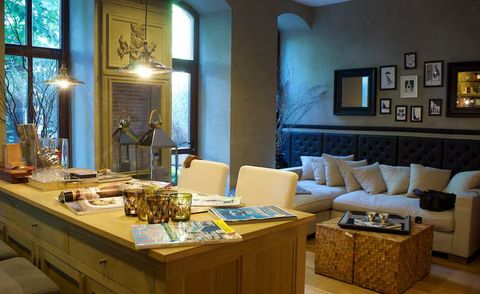
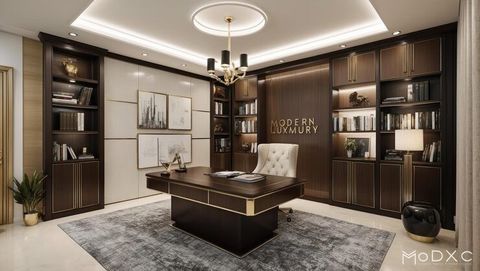
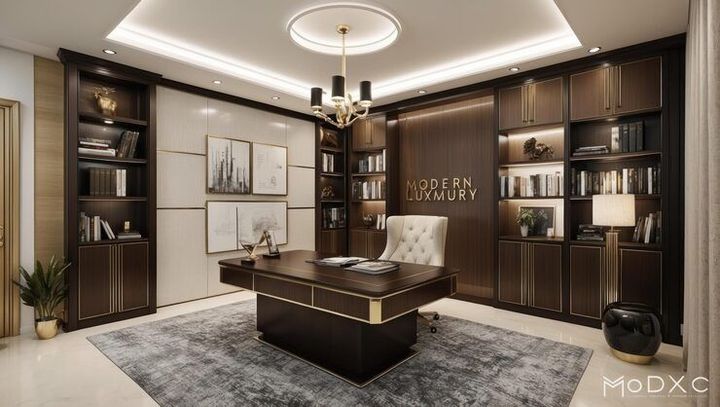
Luxury office furniture refers to high-end desks, executive chairs, conference tables, storage units, reception furniture, and collaborative seating designed for professional workplaces. It exists because modern offices increasingly need to balance appearance, comfort, functionality, and technology.
Traditional executive furniture often focused mainly on large desks and formal styling. Modern luxury office furniture takes a broader approach. It may include ergonomic office chairs, height-adjustable desks, integrated cable management, acoustic elements, premium wood finishes, metal details, and flexible meeting furniture.
Materials commonly associated with this category include hardwood, veneer, glass, aluminum, leather or textile upholstery, and recycled materials. The goal is not simply visual appeal. Good office furniture should also support practical work patterns and efficient workspace planning.
Why Luxury Office Furniture Matters Today
The workplace has changed significantly because of hybrid schedules, digital collaboration, and greater attention to employee experience. A well-planned office may need quiet areas, executive offices, meeting rooms, collaborative zones, and flexible workstations within the same environment.
Luxury office furniture can address several practical requirements:
- Ergonomic seating can support better workstation positioning.
- Height-adjustable desks can accommodate sitting and standing.
- Executive furniture can create a professional and organized environment.
- Modular furniture can make office layouts easier to adapt.
- Integrated technology features can reduce cable and equipment clutter.
- Premium materials can contribute to a consistent interior design.
Ergonomics is particularly important. U.S. Occupational Safety and Health Administration guidance recommends workstation arrangements that support neutral postures, adequate leg clearance, adjustable seating, and appropriate placement of monitors and work surfaces.
Recent Luxury Office Furniture Trends
Workplace design developments during 2025 and 2026 show greater emphasis on flexibility, human connection, comfort, and technology integration. Gensler's 2026 workplace research highlights flexible furniture, attractive environments, manageable noise, updated technology, and spaces for focused work and relaxation as important workplace attributes.
In December 2025, Gensler's 2026 workplace forecast also highlighted more human-centered workplaces, hospitality-inspired environments, and stronger connections between physical and digital experiences.
Sustainability is another growing consideration. In May 2026, workplace design exhibitions highlighted adaptable furniture, high-performance seating, private offices, collaborative areas, and circular design principles.
| Furniture Element | Modern Priority |
|---|---|
| Executive desk | Ergonomics and technology integration |
| Office chair | Adjustability and lumbar support |
| Conference table | Collaboration and cable management |
| Storage | Organization and space efficiency |
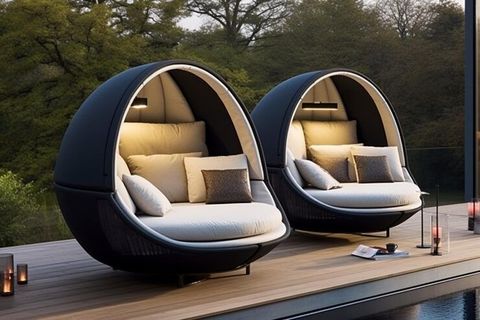
| Lounge seating | Comfort and informal interaction |
Laws and Workplace Policies
Furniture requirements depend on the country, building type, and workplace environment. In the United States, OSHA does not have a specific standard covering computer workstations, but existing workplace rules can apply to areas such as electrical safety and general workplace hazards. OSHA also provides ergonomic guidance for computer workstations.
Organizations should therefore consider workstation ergonomics, electrical safety, accessibility requirements, fire-safety rules, building regulations, and material documentation when planning an office.
For international projects, requirements can differ by jurisdiction. Designers and facility teams should verify applicable local regulations before finalizing specifications.
Tools and Resources for Planning
Several general tools can help with luxury office furniture planning:
- Digital office layout planners for testing room arrangements
- Ergonomic workstation checklists for desk and chair positioning
- Space-planning templates for measuring furniture footprints
- Material specification sheets for comparing finishes and components
- Lighting calculators for evaluating workspace illumination
- Furniture inventory spreadsheets for tracking equipment and placement
An ergonomic checklist can be particularly useful because workstation design involves more than appearance. OSHA recommends evaluating posture, monitor placement, seating, work surfaces, lighting, and available movement space.
FAQs About Luxury Office Furniture
What makes office furniture luxurious?
Luxury generally refers to a combination of refined materials, detailed craftsmanship, ergonomic features, durability, distinctive design, and coordinated workplace aesthetics rather than appearance alone.
Is luxury office furniture suitable for hybrid workplaces?
Yes. Flexible desks, ergonomic chairs, modular meeting furniture, and adaptable layouts can support offices where employees alternate between individual, collaborative, and remote work.
Why is ergonomics important in executive offices?
Executive users may spend many hours at desks or in meetings. Adjustable seating and properly positioned work surfaces can support neutral working postures and reduce unnecessary physical strain.
What materials are commonly used?
Wood veneers, hardwood, metal, glass, leather, textiles, and recycled materials are commonly used. Material selection depends on design goals, durability requirements, maintenance, and environmental considerations.
Does luxury furniture need to follow workplace regulations?
Furniture itself may not be governed by one universal rule. However, its use within an office can be affected by ergonomic guidance, accessibility, fire safety, electrical requirements, building codes, and other workplace regulations.
Conclusion
Luxury office furniture has evolved from formal executive decoration into a broader approach to workplace design. Modern solutions combine visual quality with ergonomics, flexibility, technology integration, sustainability, and efficient space planning. Current workplace research suggests that offices are increasingly designed around human experience, collaboration, focused work, and adaptability.
For organizations planning an executive office, conference room, or complete commercial workspace, the strongest approach is to evaluate furniture as part of the overall workplace environment rather than as isolated decorative pieces.