Industrial Air Blower Equipment Guide With Functions And Manufacturing Applications
Industrial air blower equipment is an essential part of modern manufacturing, processing, and engineering facilities. These machines are designed to move large volumes of air or gas at controlled pressure levels to support industrial operations. Unlike conventional fans, industrial air blowers generate stronger airflow for demanding applications such as ventilation, cooling, drying, combustion support, dust collection, pneumatic conveying, and material handling. Their ability to provide continuous airflow makes them valuable in production environments where efficiency and process stability are important.
According to global manufacturing research, industrial facilities continue to adopt advanced air blower technology to improve productivity, reduce energy consumption, and support automated production systems. Improvements in motor efficiency, impeller design, airflow control, and digital monitoring have enhanced equipment performance while lowering operating costs. Modern air blowers are designed to deliver consistent airflow with improved reliability, making them suitable for continuous industrial operation.
Selecting the appropriate industrial air blower requires understanding airflow capacity, pressure requirements, equipment design, operating efficiency, and intended manufacturing application. Different industries require different blower technologies depending on production processes, environmental conditions, and system performance requirements. Learning how industrial air blowers function provides valuable knowledge for engineers, maintenance professionals, production managers, and manufacturing specialists.
Importance Of Industrial Air Blower Equipment
Industrial air blower equipment plays a vital role in manufacturing plants, processing facilities, power generation stations, food production, wastewater treatment, mining operations, chemical processing, cement production, and material handling systems. Many industrial operations depend on continuous airflow to maintain production quality, equipment cooling, environmental control, and efficient material movement.
Without properly selected blower equipment, production systems may experience inadequate ventilation, poor combustion efficiency, overheating, excessive dust accumulation, or reduced material transport efficiency. Reliable air movement supports stable manufacturing conditions while improving workplace safety and equipment performance.
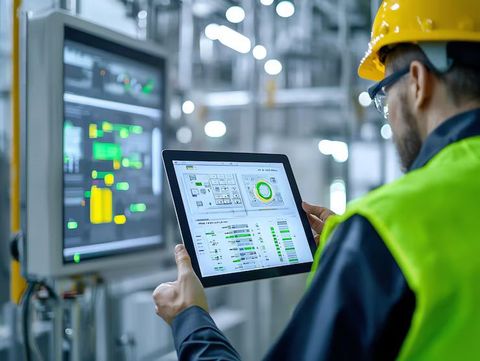
As manufacturing automation continues to expand, industrial air blowers increasingly operate as part of integrated production systems. Variable-speed drives, intelligent sensors, and computerized control systems allow airflow to adjust automatically according to changing production requirements, improving efficiency while reducing unnecessary energy consumption.
Recent Developments In Air Blower Technology
Recent engineering developments have significantly improved industrial air blower performance. High-efficiency motors now consume less energy while maintaining consistent airflow under demanding operating conditions. Advanced impeller designs have also increased airflow efficiency while reducing vibration and operational noise.
Digital monitoring systems have become another major advancement. Modern blowers use sensors to monitor airflow, pressure, motor temperature, vibration, and energy consumption in real time. These monitoring systems support predictive maintenance by identifying performance changes before equipment failure occurs.
Sustainability has also influenced blower technology. Manufacturers continue developing energy-efficient equipment with optimized airflow paths, improved motor designs, and intelligent speed control systems that reduce electricity consumption without affecting production performance.
Industrial Air Blower Equipment Comparison
The following table compares commonly used industrial air blower types and their general applications.
| Blower Type | Airflow Capacity | Pressure Level | Common Manufacturing Application |
|---|---|---|---|
| Centrifugal Blower | High | Medium to High | Ventilation and Dust Collection |
| Axial Blower | Very High | Low | Cooling and Air Circulation |
| Positive Displacement Blower | Moderate | High | Pneumatic Conveying |
| Regenerative Blower | Moderate | Medium | Vacuum and Air Handling |
| High-Speed Blower | High | High | Industrial Processing |
| Multistage Blower | High | Very High | Process Air Systems |
Each blower type is designed for different operating conditions. Centrifugal blowers are widely used for ventilation and dust collection, while axial blowers provide high airflow for cooling applications. Positive displacement blowers are suitable for conveying materials, regenerative blowers support vacuum systems, and multistage blowers are selected where higher pressure is required.
Functions And Working Process
The primary function of an industrial air blower is to generate controlled airflow that supports manufacturing operations. The working process begins when an electric motor drives an impeller or rotor inside the blower housing. As the impeller rotates, air enters through the inlet and accelerates within the blower before being discharged at the required pressure and flow rate.
Depending on the blower design, airflow may be directed through ducts, filtration systems, heat exchangers, processing equipment, pneumatic conveying lines, or ventilation networks. Control valves, dampers, and variable-speed drives regulate airflow according to operational requirements, allowing precise adjustment for different manufacturing processes.
Industrial air blowers perform several important functions beyond simple air movement. They provide cooling for machinery, remove airborne dust, support combustion systems, dry manufactured products, transport lightweight materials, maintain ventilation, supply process air, and improve environmental conditions within production facilities. Their continuous operation helps maintain stable manufacturing processes while protecting equipment from overheating and contamination.
Automation has further improved blower performance by integrating programmable controllers with pressure sensors, airflow meters, and temperature monitoring devices. These systems automatically adjust motor speed and airflow output to match production demand, reducing energy consumption while maintaining consistent process conditions.
Routine maintenance is essential for reliable blower operation. Regular inspection of bearings, impellers, drive belts, motors, filters, lubrication systems, and vibration levels helps identify wear before equipment failure occurs. Cleaning air inlets and ensuring balanced impeller operation also contribute to improved efficiency and longer equipment life.
Proper installation plays an equally important role. Correct duct sizing, secure mounting, adequate ventilation, and proper alignment help maximize airflow while minimizing vibration, noise, and mechanical stress. Well-designed blower systems operate more efficiently and require less maintenance throughout their service life.
Manufacturing Applications
Industrial air blower equipment supports a wide variety of manufacturing applications. Production facilities use blowers for drying products after washing or coating processes, cooling machinery during continuous operation, and supplying process air to production equipment.
Dust collection systems rely on industrial blowers to capture airborne particles and maintain clean working environments. Pneumatic conveying systems use pressurized airflow to transport powders, granules, and lightweight materials efficiently between production stages.
Wastewater treatment facilities utilize blowers to provide aeration for biological treatment processes, while food processing plants use controlled airflow for drying, packaging, cooling, and ventilation. Chemical processing industries depend on reliable air movement for mixing, drying, and process control. Cement production, textile manufacturing, paper processing, and metal fabrication also rely heavily on industrial air blower systems to maintain efficient production.
Frequently Asked Questions
What is an industrial air blower?
An industrial air blower is a mechanical device that generates controlled airflow or gas movement for manufacturing, ventilation, cooling, drying, dust collection, and material handling applications. It delivers higher airflow and pressure than standard ventilation fans.
What are the main types of industrial air blowers?
Common types include centrifugal blowers, axial blowers, positive displacement blowers, regenerative blowers, high-speed blowers, and multistage blowers. Each type is designed for specific airflow and pressure requirements.
Where are industrial air blowers commonly used?
Industrial air blowers are widely used in manufacturing plants, chemical processing, food production, wastewater treatment, mining, cement production, textile industries, metal fabrication, packaging, and material handling systems.
How does an industrial air blower work?
An electric motor rotates an impeller that draws air into the blower housing. The rotating impeller accelerates the airflow and discharges it through an outlet at the required pressure and flow rate for industrial applications.
Why is regular maintenance important?
Routine maintenance helps prevent mechanical wear, vibration, airflow reduction, overheating, and unexpected equipment failure. Regular inspection and cleaning improve efficiency, extend equipment lifespan, and maintain reliable industrial performance.
Conclusion
Industrial air blower equipment is an essential part of modern manufacturing because it provides reliable airflow for cooling, ventilation, drying, dust collection, pneumatic conveying, and numerous industrial processes. Different blower designs offer unique advantages depending on airflow requirements, pressure levels, and production conditions.
Understanding blower types, working principles, equipment functions, and manufacturing applications helps engineers and production professionals select systems that support efficient, dependable operations. As industrial automation and energy-efficient technologies continue to advance, industrial air blower equipment will remain a critical component of high-performance manufacturing environments.