Industrial Fluid Systems Guide With Engineering Applications And Working Process
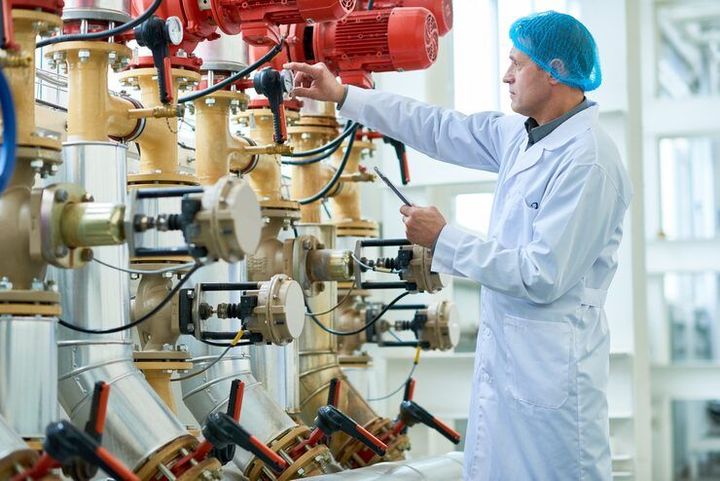
Industrial fluid systems are essential parts of modern manufacturing, processing, and engineering operations. These systems are designed to transport, control, store, and distribute liquids or gases throughout industrial facilities. From supplying cooling water to transferring chemicals and lubricants, industrial fluid systems ensure that equipment operates efficiently, safely, and continuously. Their reliable performance directly supports production quality, equipment lifespan, and operational efficiency across numerous industries.
According to global industrial research, modern engineering facilities are increasingly adopting advanced fluid management technologies that improve process control, reduce energy consumption, and enhance operational reliability. Improvements in pumps, valves, sensors, automation, and monitoring systems have made industrial fluid systems more efficient than ever before. These developments allow manufacturers to optimize production while maintaining consistent fluid flow under varying operating conditions.
Understanding how industrial fluid systems work is important for engineers, technicians, maintenance teams, production managers, and students studying industrial engineering. Learning about their components, operating principles, and practical applications helps improve system performance while reducing maintenance challenges. A properly designed fluid system contributes to safer operations, efficient resource utilization, and long-term industrial productivity.
Importance Of Industrial Fluid Systems
Industrial fluid systems are widely used in manufacturing plants, processing facilities, power generation, food production, pharmaceutical manufacturing, mining operations, chemical processing, water treatment, and many other industrial sectors. Nearly every production environment depends on controlled fluid movement to support equipment operation and manufacturing processes.
Without effective fluid systems, industrial equipment would experience reduced efficiency, overheating, inconsistent process control, and increased mechanical wear. Proper fluid distribution ensures that cooling, lubrication, hydraulic operation, cleaning, and material transfer occur according to design requirements, allowing production systems to operate reliably throughout extended operating periods.
As industrial automation continues to expand, fluid systems have become more integrated with computerized control systems that monitor pressure, temperature, flow rate, and fluid quality. This integration improves operational accuracy while supporting predictive maintenance and efficient resource management.
Recent Developments In Industrial Fluid Systems
Recent engineering innovations have significantly improved industrial fluid system performance. Smart sensors now continuously monitor operating conditions, allowing maintenance teams to detect pressure fluctuations, leakage, temperature changes, and abnormal flow patterns before they develop into equipment failures.
Automation has also transformed fluid management by integrating programmable controllers with pumps, valves, and monitoring equipment. These systems automatically regulate flow rates, maintain pressure stability, and optimize energy consumption based on production requirements.
Another important trend is the increased emphasis on energy efficiency. Modern pumps, variable-speed drives, advanced filtration systems, and optimized piping layouts help reduce power consumption while improving overall system performance. Sustainable fluid management practices are also encouraging recycling, fluid recovery, and improved resource utilization throughout industrial operations.
Main Components Of Industrial Fluid Systems
The following table outlines the primary components found in most industrial fluid systems.
| Component | Primary Function | Engineering Purpose |
|---|---|---|
| Pump | Moves fluid through the system | Fluid transportation |
| Valve | Controls flow direction and volume | Process regulation |
| Pipe | Transfers fluid between equipment | Distribution network |
| Filter | Removes contaminants | Fluid cleanliness |
| Storage Tank | Stores process fluids | Supply management |
| Pressure Gauge | Monitors system pressure | Operational monitoring |
These components work together to create a balanced system capable of delivering controlled fluid flow under varying operating conditions. Proper selection and maintenance of each component are essential for achieving reliable long-term performance.
Working Process Of Industrial Fluid Systems
The working process begins with fluid stored in a reservoir or storage tank. Pumps generate the pressure required to move the fluid through pipelines toward various processing equipment. Depending on the application, fluids may include water, oils, chemicals, coolants, compressed gases, or specialized industrial liquids.
As the fluid travels through the system, valves regulate flow direction, pressure, and volume according to process requirements. Filters remove contaminants that could damage equipment or reduce product quality, while sensors continuously monitor operating conditions to maintain system stability.
Heat exchangers, hydraulic equipment, cooling systems, production machinery, and processing units receive the required fluid through carefully designed piping networks. After completing its intended function, the fluid may return to the storage tank for recirculation, proceed to additional processing stages, or enter treatment systems before reuse or disposal depending on operational requirements.
Automation systems play an increasingly important role throughout this process. Digital controllers analyze data from pressure sensors, flow meters, temperature monitors, and level indicators to adjust pump operation and valve positions automatically. This improves efficiency while reducing unnecessary energy consumption.
Regular maintenance is essential for maintaining system performance. Routine inspection of pumps, valves, filters, pipelines, seals, and monitoring equipment helps identify wear before failures occur. Preventive maintenance also reduces downtime and extends equipment lifespan by ensuring all components continue operating within recommended performance limits.
Safety is another critical aspect of industrial fluid systems. Proper pressure control, leak prevention, corrosion protection, and fluid compatibility help protect personnel, equipment, and surrounding infrastructure. Well-designed systems incorporate monitoring devices that quickly detect abnormal operating conditions and support safe corrective actions.
Engineering Applications
Industrial fluid systems support a wide range of engineering applications. Manufacturing facilities use them for hydraulic power transmission, lubrication, cooling, cleaning, and material transport. Chemical processing plants depend on accurate fluid handling to maintain production consistency and process safety.
Power generation facilities use fluid systems for cooling circuits, steam production, lubrication, and heat transfer. Water treatment plants rely on controlled pumping and filtration systems to process water efficiently. Food processing industries utilize hygienic fluid systems for ingredient transfer, cleaning operations, and temperature regulation. Pharmaceutical manufacturing requires precision fluid control to maintain product quality and process reliability.
Frequently Asked Questions
What is an industrial fluid system?
An industrial fluid system is a network of equipment designed to transport, control, filter, and distribute liquids or gases throughout industrial processes. These systems support manufacturing, cooling, lubrication, hydraulic operation, and many other engineering applications.
What are the main components of a fluid system?
The primary components include pumps, valves, pipes, filters, storage tanks, sensors, pressure gauges, and control equipment. Each component performs a specific function that contributes to reliable fluid movement and process control.
Why are pumps important in fluid systems?
Pumps generate the pressure required to move fluids throughout the system. Without pumps, liquids or gases could not circulate effectively between storage tanks, processing equipment, cooling systems, and production machinery.
How does automation improve industrial fluid systems?
Automation continuously monitors operating conditions such as pressure, temperature, flow rate, and fluid levels. Computerized controls automatically adjust system operation to improve efficiency, maintain stable performance, reduce energy consumption, and support predictive maintenance.
Why is maintenance necessary for industrial fluid systems?
Regular maintenance helps prevent leaks, equipment wear, contamination, pressure loss, and unexpected failures. Routine inspections improve reliability, extend equipment lifespan, maintain process efficiency, and reduce costly production interruptions.
Conclusion
Industrial fluid systems are fundamental to modern engineering because they provide controlled movement of liquids and gases throughout industrial processes. Their combination of pumps, valves, piping, filtration, monitoring, and automation enables reliable production while supporting equipment protection and operational efficiency.
Understanding the working process, system components, engineering applications, and maintenance requirements allows engineers and industrial professionals to design, operate, and maintain effective fluid systems. As automation and energy-efficient technologies continue to evolve, industrial fluid systems will remain essential for improving productivity, sustainability, and reliable manufacturing performance across global industries.