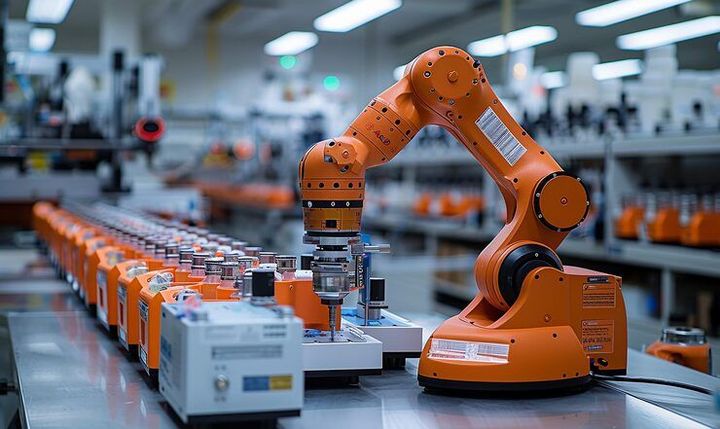
Automation Systems: Applications, Trends, and Regulatory Standards
Automation systems use technology to perform repetitive tasks, control processes, and improve operational consistency. Understanding their applications, emerging trends, safety standards, and regulatory requirements helps individuals and organizations make informed decisions.
Automation systems are technologies designed to perform tasks with limited continuous human intervention. They combine machines, sensors, software, control equipment, and data processing to complete activities according to predefined instructions or changing conditions.
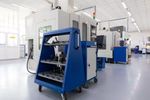
These systems developed to improve the consistency of repetitive work and manage processes that require precise timing, measurements, or continuous monitoring. Today, industrial automation systems are found in manufacturing plants, warehouses, hospitals, buildings, energy networks, and transportation infrastructure.
A typical automated system contains several essential components:
Sensors: Detect temperature, pressure, movement, or other physical conditions.
Controllers: Process information and determine the next action.
Actuators: Move equipment, operate valves, or adjust mechanical components.
Software: Coordinates operations, records information, and supports monitoring.
Safety mechanisms: Help prevent hazardous movements and unsafe operating conditions.
Together, these components enable automatic control systems to perform defined tasks while allowing people to supervise performance and handle unusual situations.
Why Automation Systems Matter Today
Modern industries face challenges involving product consistency, equipment reliability, energy consumption, workplace safety, and complex operating procedures. Industrial automation helps organizations address these challenges by reducing unnecessary manual repetition and providing more consistent process control.
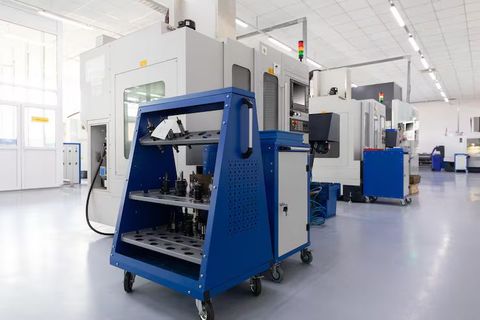
For example, automated manufacturing systems can maintain production settings, while building automation systems regulate lighting, ventilation, and temperature. In warehouses, automated identification and material-handling equipment can support inventory tracking and movement.
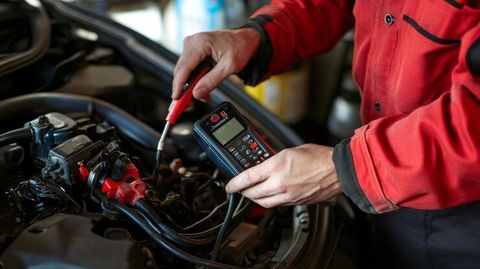
Automation also supports predictive maintenance. By examining equipment readings, specialized software can identify unusual patterns that may indicate developing faults. Maintenance teams can investigate these warnings before a minor issue develops into a major disruption.
However, automation does not eliminate every operational risk. Systems require appropriate configuration, trained supervision, regular maintenance, and dependable cybersecurity protections.
Recent Automation Technology Trends
Developments during 2025 and 2026 show increasing interest in artificial intelligence (AI), connected machinery, robotics, and digital twins.
In September 2025, the World Economic Forum examined physical AI, which combines artificial intelligence with machines capable of sensing and interacting with the physical environment. These developments are expanding interest in adaptive robotics and more flexible industrial operations.
In November 2025, the International Society of Automation highlighted the relationship between industrial AI, predictive maintenance, digital twins, reliability, and cybersecurity.
In April 2026, the World Economic Forum published its Intelligent Industrial Operations Outlook, describing the shift toward connected and increasingly autonomous industrial environments.
Key developments include:
AI-powered process control: Uses data patterns to help identify changes and support operational decisions.
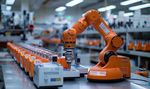
Collaborative robotics: Allows robots and people to work in shared environments when appropriate safety measures are in place.
Digital twin technology: Creates a digital representation of physical equipment or processes for analysis and simulation.
Industrial Internet of Things (IIoT): Connects sensors, machines, and monitoring platforms.
Predictive maintenance analytics: Uses operational data to identify possible equipment problems.
These technologies can improve monitoring and flexibility, but their effectiveness depends on reliable data, system compatibility, and careful implementation.
Laws, Policies, and Safety Requirements in India
Automation equipment must comply with applicable Indian laws, technical standards, and workplace safety requirements. The exact obligations depend on the machinery, industry, installation, and intended use.
The Bureau of Indian Standards (BIS) develops and administers relevant Indian standards, including standards concerning machinery safety, electrical equipment, and risk assessment.
A significant recent development concerns the Machinery and Electrical Equipment Safety (Omnibus Technical Regulation) Order. The Ministry of Heavy Industries listed a withdrawal order dated 16 January 2026, following amendments issued during 2025. This means the earlier framework should not be treated as automatically applicable in its previous form. Organizations should verify the current requirements for their specific equipment before making compliance decisions.
Other relevant considerations include:
Applicable factory and occupational safety legislation.
Electrical installation and equipment safety requirements.
Product-specific BIS certification or quality-control requirements.
Cybersecurity controls for connected operational technology.
Appropriate machine guarding, emergency stops, and documented risk assessments.
International standards such as ISO 12100 and IEC 62443 can also help guide machinery risk assessment and industrial cybersecurity practices. Their legal status depends on the applicable rules and circumstances.
Tools and Resources for Learning Automation
Understanding automation systems becomes easier when learners explore practical diagrams, simulation exercises, and equipment-monitoring examples. The following resource categories can support technical learning and planning.
Tool or resource | Main purpose |
|---|---|
PLC programming environments | Learn programmable logic controller operations |
Circuit simulation software | Understand electrical circuits and control logic |
Process simulation tools | Model industrial workflows and operating conditions |
Data visualization dashboards | Interpret equipment readings and performance trends |
Digital twin platforms | Explore virtual representations of physical systems |
Risk assessment templates | Document hazards, safeguards, and corrective actions |
Beginners can start by studying basic control circuits, sensor functions, and programmable logic controllers (PLCs). More advanced learners can explore industrial networking, robotics, machine vision, and AI-based monitoring.
Useful learning materials include technical standards, equipment manuals, engineering textbooks, instructional simulations, and educational resources from recognized technical institutions. Practical exercises should use suitable safety precautions and supervised equipment where necessary.
Frequently Asked Questions
What are the main types of automation systems?
The main categories include fixed automation, programmable automation, flexible automation, and integrated automation. Each suits different production requirements, operating conditions, and levels of process variation.
How does industrial automation work?
Sensors collect information about a process, controllers evaluate the information against programmed rules, and actuators perform the required actions. Operators can monitor results and intervene when necessary.
What is the difference between automation and robotics?
Automation describes the broader use of technology to perform tasks automatically. Robotics is one part of automation that uses programmable machines to carry out physical actions, including movement, handling, and inspection.
Can artificial intelligence improve automation systems?
Yes. AI can support pattern recognition, quality inspection, anomaly detection, and predictive maintenance. However, its performance depends on data quality, suitable testing, reliable integration, and appropriate human oversight.
Why is cybersecurity important for automated equipment?
Connected machinery may be exposed to unauthorized access, malicious software, or operational disruption. Network segmentation, access controls, security updates, monitoring, and recovery planning help reduce these risks.
Conclusion
Automation systems are an important part of modern industrial and everyday infrastructure. They support consistent operations, process monitoring, equipment maintenance, and improved control across many industries.
Emerging developments in AI, robotics, digital twins, and connected devices are expanding their capabilities. At the same time, safety, cybersecurity, technical compatibility, and regulatory compliance remain essential considerations.
A balanced understanding of automation requires more than knowledge of machinery and software. It also involves recognizing system limitations, protecting workers, evaluating risks, and ensuring that people retain appropriate oversight of important decisions.
Disclaimer
This article is intended for general educational purposes only. Technical requirements, safety standards, and regulatory obligations may change. Verify current requirements with the relevant Indian authorities and qualified professionals before applying them to a specific installation or industrial process.