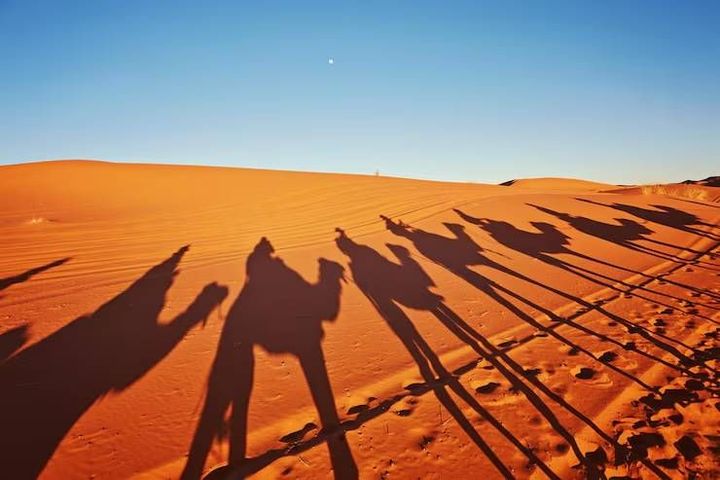
Dubai Desert Safari: Travel Guide, Safety Rules and Tips
A Dubai desert safari introduces visitors to the UAE’s desert landscape, traditional Bedouin culture, wildlife, and outdoor activities. Understanding seasonal conditions, safety precautions, environmental protection, and local regulations helps travelers plan a responsible and enjoyable desert visit.
A Dubai desert safari is an outdoor excursion into the sandy landscapes surrounding Dubai in the United Arab Emirates (UAE). It combines natural scenery, cultural experiences, and activities that help visitors understand life in the Arabian desert.
Depending on the itinerary, a desert visit may include dune driving, camel rides, sandboarding, sunset photography, traditional meals, and cultural demonstrations. Some itineraries focus on wildlife and conservation, while others emphasize adventure or overnight stays.
The desert environment is an important part of Emirati heritage. For generations, local communities developed ways to navigate dry landscapes, manage limited water resources, and adapt to extreme temperatures. Modern desert tourism introduces these traditions and environments to visitors from around the world.
Why Dubai Desert Safari Matters Today
Desert excursions contribute to Dubai’s tourism sector while helping visitors explore landscapes beyond the city’s modern architecture. They also create opportunities to learn about local customs, desert ecology, and sustainable travel practices.
These experiences are relevant to several groups:
International travelers: Learn about Arabian culture and desert geography.
Families: Discover outdoor activities suited to different ages and abilities.
Adventure enthusiasts: Explore guided dune driving and sandboarding.
Nature enthusiasts: Learn about desert plants, animals, and conservation.
Cultural learners: Understand traditional hospitality, food, and customs.
Planning is important because desert conditions can change quickly. High temperatures, loose sand, limited shade, and remote locations may create challenges for inexperienced visitors. Checking weather conditions, choosing suitable clothing, and understanding activity restrictions can reduce avoidable risks.
Recent Trends and Developments in 2025–2026
Desert tourism increasingly emphasizes environmental awareness, cultural interpretation, and visitor safety. Travelers are showing interest in experiences that combine outdoor recreation with local heritage and nature education.
Key developments and trends include:
Sustainable tourism: Greater attention to waste reduction, responsible driving, and protecting fragile desert habitats.
Wildlife awareness: Increased interest in understanding native species and conservation areas.
Digital planning: Mobile navigation, online weather forecasts, and digital booking confirmations make trip preparation easier.
Personalized itineraries: Visitors increasingly consider private excursions, family-friendly activities, photography, and overnight desert experiences.
These are broad tourism trends rather than a verified list of newly enacted rules. Specific 2026 regulations, temporary closures, and activity restrictions should be checked with the relevant UAE authorities before travel.
Laws, Policies, and Visitor Safety
Dubai desert safari activities are subject to tourism, transport, vehicle safety, and environmental requirements. Rules may differ according to the location and activity.
Important considerations include:
Safari driver permits: Dubai requires appropriate permits for professional desert safari drivers. The Roads and Transport Authority (RTA) and Dubai Department of Economy and Tourism (DET) oversee relevant requirements.
Roads & Transport Authority+1Vehicle registration: Safari vehicles must meet applicable registration and inspection requirements. Tour operators must also maintain required documentation.
Dubai Department of Economy & TourismDesert camp regulations: Tourist camps must comply with relevant licensing, safety, and local authority requirements.
Dubai Department of Economy & Tourism+1Wildlife protection: Visitors should remain on designated routes, avoid disturbing animals, and take all waste away from protected natural areas.
Dubai Municipality+1
For personal safety, follow the driver’s instructions, wear seat belts, carry drinking water, and avoid strenuous activities during extreme heat. People with medical concerns or mobility limitations should assess activity suitability before participating.
Tools and Resources for Planning
Several general tools can help travelers prepare for a Dubai desert safari.
Tool or resource | Purpose |
|---|---|
Weather forecast application | Check temperatures, wind, and weather alerts |
Digital navigation map | Understand travel routes and meeting locations |
Travel checklist | Organize clothing, water, identification, and essentials |
Translation application | Understand local terms and communicate clearly |
Activity comparison worksheet | Compare itineraries, duration, safety arrangements, and inclusions |
Official tourism information | Review visitor guidance and current local regulations |
Choose lightweight, breathable clothing for daytime visits and bring a light jacket for cooler evenings during winter. Closed-toe footwear, sunglasses, and sun protection can also improve comfort.
Frequently Asked Questions
What is the best time for a Dubai desert safari?
The cooler months, generally November through March, are often more comfortable for outdoor activities. Early mornings and late afternoons can also help visitors avoid the strongest midday heat.
How long does a desert safari usually last?
The duration depends on the itinerary. Morning excursions may last several hours, while evening experiences often extend into the night. Overnight trips require additional preparation.
Is dune driving suitable for everyone?
No. Rough terrain and sudden vehicle movements may be unsuitable for some people. Pregnant travelers, young children, older adults, and people with certain medical conditions should check activity restrictions and consider gentler alternatives.
What should visitors bring?
Useful essentials include drinking water, sun protection, comfortable clothing, suitable footwear, identification, and any necessary personal medication. Follow the activity organizer’s specific instructions.
Can visitors explore the desert independently?
Independent exploration requires careful preparation, an appropriate vehicle, knowledge of desert driving, and awareness of local restrictions. Inexperienced visitors should avoid driving into remote dunes alone and consider a qualified guide.
Conclusion
A Dubai desert safari offers an opportunity to explore the UAE’s natural environment, cultural heritage, and outdoor recreation. Good planning involves understanding seasonal weather, selecting appropriate activities, following safety guidance, and respecting protected landscapes. By preparing thoughtfully, visitors can gain a clearer understanding of desert life while helping preserve the environment for future generations.
Disclaimer
This article is intended for general educational purposes only. Travel conditions, activity restrictions, and local regulations may change. Confirm current requirements with the relevant UAE authorities and follow official safety guidance before undertaking desert activities.